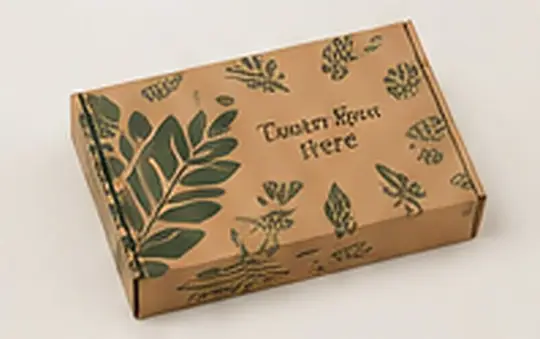
Customers, retailers and regulators are all pushing packaging in the same direction. Here is why sustainable packaging is now a business advantage, and how to switch without raising costs.
Ten years ago, “eco-friendly packaging” was a niche choice made by a handful of natural-beauty and organic food brands. Today it is quickly becoming the default. Shoppers expect it, large retailers ask suppliers about it, and new regulations are making unnecessary plastic more expensive to use. The good news: sustainable packaging no longer means compromising on protection, print quality or price.
1. Customers notice (and remember) your packaging choices
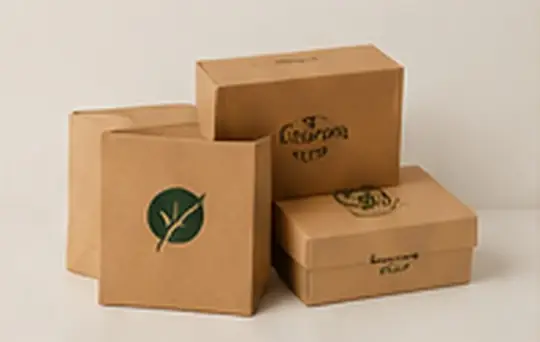
Packaging is often the first physical touchpoint between a customer and your brand. Over-sized boxes, layers of plastic film and void fill that cannot be recycled create an impression of waste that sticks. In contrast, a right-sized kraft or corrugated box printed with water-based inks tells customers you care about details – and about the planet.
2. Regulations are moving in one direction
Extended Producer Responsibility (EPR) schemes, plastic packaging taxes and recyclability labelling rules are spreading across Europe, the UK and North America. Under most of these schemes, brands pay more for packaging that is heavy, mixed-material or hard to recycle. Moving to mono-material paper-based packaging now reduces future compliance costs.
3. Sustainable materials perform better than ever
- Recycled corrugated board offers excellent crush strength for shipping boxes.
- Kraft paper bags with twisted paper handles carry heavy retail loads – see our guide to paper bags for retail.
- Paper tape and water-activated tape replace plastic tape and make boxes fully recyclable.
- Molded pulp and paper honeycomb inserts replace foam and bubble wrap.
4. Right-sizing saves money as well as materials
The most sustainable box is the one that fits. Right-sized packaging uses less board, needs less void fill and lowers dimensional-weight shipping charges. Brands that switch to custom-sized mailers typically cut packaging material by 15–30% – read our 10 tips to cut shipping costs for practical ways to do it.
Tip: Start with your best-selling SKU. Redesigning the packaging for one high-volume product delivers the biggest impact with the smallest effort.
How to start the switch
- Audit your current packaging: list every component, its material and whether it is recyclable.
- Remove what you do not need – extra wraps, plastic windows and oversized fillers.
- Replace plastics with paper-based alternatives that protect equally well.
- Print clear disposal instructions so customers can recycle correctly.
- Tell your story: a short message on the box lid explains your choices and builds loyalty.
Ready to make the move? Browse our eco-friendly packaging range or talk to our team about a custom, recyclable solution for your products.