Understanding board types helps you choose packaging that is strong enough, looks right and costs less. A plain-English guide to the main box materials.
When you order boxes, suppliers will ask about board grade, flute and finish. These terms can be confusing, but the basics are simple. Here is what you need to know about the four main materials.
Kraft paperboard
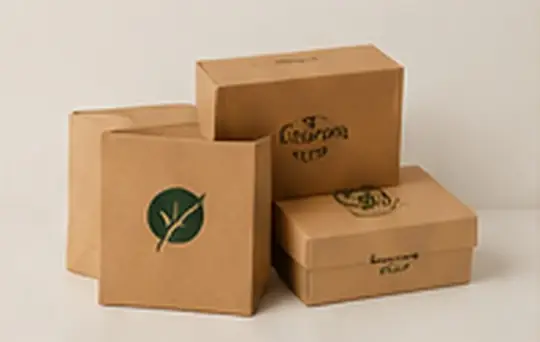
Kraft board is made from unbleached wood pulp, giving it a natural brown colour and strong fibres. It has a rustic, eco-friendly look and prints well with dark inks. It is often made with high recycled content.
Corrugated board
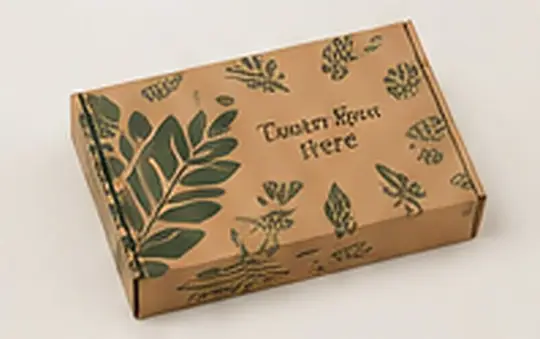
Corrugated board sandwiches a wavy “flute” between two flat liners. The flute gives exceptional strength for its weight, which is why it is used for shipping and mailer boxes.
- E-flute (about 1.5 mm): thin and smooth – great for printed mailer boxes.
- B-flute (about 3 mm): good crush resistance for shipping boxes.
- Double wall (BC-flute): heavy or fragile products and export shipping.
Folding carton (paperboard)
Folding cartons use a single, solid sheet of paperboard, typically 300–450 gsm. They are economical, print beautifully and fold flat. They suit retail packaging but need an outer carton for shipping.
Rigid board (chipboard)
Rigid boxes use 1–3 mm chipboard wrapped in printed or speciality paper. They feel solid and luxurious, but cost more and cannot be folded flat. Ideal for premium gift packaging.
Which is most sustainable?
All four are paper-based and widely recyclable, especially without plastic lamination. Choose high recycled content, avoid mixed materials and right-size your boxes. More in why eco-friendly packaging is the future.
Rule of thumb: corrugated for shipping, folding carton for shelves, rigid for premium gifting.
Next, decide on the shape – read our guide to choosing a box style or browse the shop.