Mailer, tuck end, rigid, shipping or display? This guide explains the most common box styles, what each is best for and how to choose the right one for your product.
Choosing a box style is one of the first decisions in any packaging project – and one of the most important. The right style protects your product, fits your budget and supports the experience you want customers to have. Here is a practical overview of the styles we recommend most often.
Mailer boxes
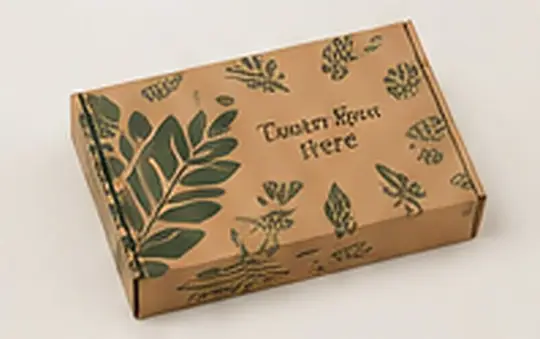
Mailer boxes (also called roll-end tuck-top boxes) are made from corrugated board and fold into a sturdy box with a hinged lid. They are strong enough to ship on their own, look great when printed and open beautifully. Best for: subscription boxes, e-commerce orders, apparel and gift sets.
Tuck end boxes (folding cartons)
Made from paperboard, tuck end boxes are lightweight, inexpensive and ideal for retail shelves. They are not strong enough to ship alone, so they usually go inside a shipping carton. Best for: cosmetics, supplements, small electronics and food products.
Rigid boxes
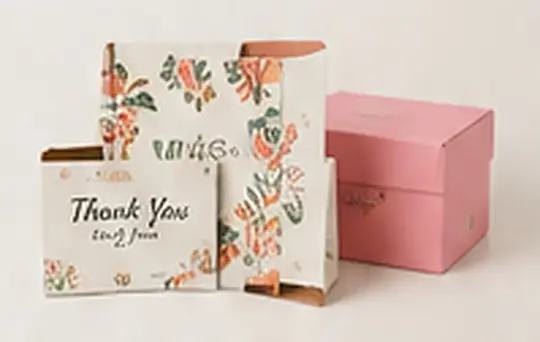
Rigid boxes are made from thick chipboard wrapped in printed or textured paper. They do not fold flat, which makes them more expensive to store and ship, but they deliver a premium feel. Best for: luxury goods, jewellery, gift sets and corporate gifts. See our gift packaging ideas for inspiration.
Regular slotted cartons (shipping boxes)
The classic brown shipping box. Economical, strong and available in many sizes, but less attractive unless printed. Best for: bulk shipping, heavy products and outer cartons.
Display boxes
Counter and shelf displays present multiple units at the point of sale. They often feature a tear-away lid and a printed header card. Best for: impulse purchases, snacks and accessories in retail stores.
How to choose: five questions
- How will it be sold? Online orders need shipping strength; retail needs shelf appeal.
- How fragile is the product? Fragile items need corrugated board and inserts.
- What is your budget per unit? Folding cartons cost least; rigid boxes cost most.
- What experience do you want? Premium unboxing favours mailer or rigid boxes.
- How much storage space do you have? Flat-packed styles save warehouse space.
Still unsure? Order samples of two styles and test them with real products and real shipping before committing to a large run.
Once you know the style, the next step is choosing the board – read box materials explained. Or browse our custom boxes to compare options.