Each shipping format has strengths and trade-offs in protection, cost and customer experience. Compare mailer boxes, poly mailers and padded bags to pick the right one.
For online stores, the shipping package matters as much as the product packaging. It protects orders in transit, drives a big share of your fulfilment costs and shapes the customer’s first impression. Here is how the three most common formats compare.
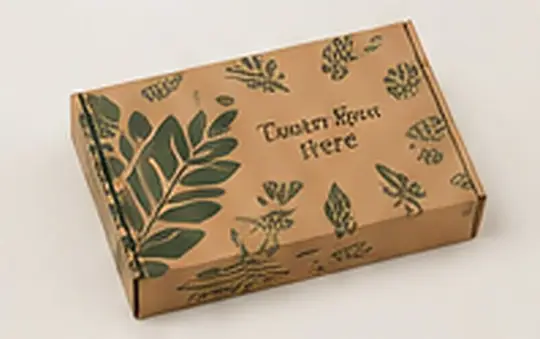
Mailer boxes
Protection: excellent – corrugated walls resist crushing and stacking.
Cost: highest per unit, but reduce damage and returns.
Experience: best – ideal for printing and premium unboxing.
Choose mailer boxes for fragile, high-value or giftable products, and whenever brand experience is a priority. Learn about styles in our box style guide.
Poly mailers
Protection: low – water-resistant but no crush protection.
Cost: lowest per unit and very light to ship.
Experience: basic, although printed poly mailers can look smart.
Poly mailers suit soft, non-fragile items such as clothing and textiles. Look for recycled-content or paper-based alternatives to reduce plastic use.
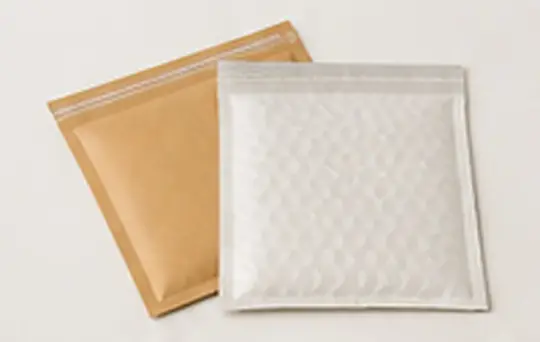
Padded bags (paper or bubble)
Protection: moderate – cushioning against knocks, limited crush resistance.
Cost: low to medium.
Experience: good, especially kraft paper padded mailers.
Padded mailers are ideal for books, small accessories, cosmetics and flat items. Paper-padded versions are kerbside recyclable – a big plus for eco-conscious customers.
Quick comparison
- Fragile or premium products: mailer box.
- Clothing and soft goods: poly or paper mailer.
- Small, flat or semi-fragile items: padded bag.
- Lowest shipping cost: poly or paper mailer, as light and small as possible.
Many brands use two formats: padded bags for small single-item orders and mailer boxes for larger or multi-item orders.
Whatever you choose, right-sizing is key. Our shipping cost tips explain how. Need samples? Contact us or browse mailer bags and boxes.