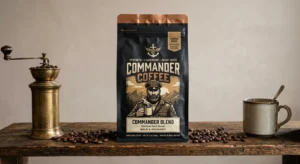
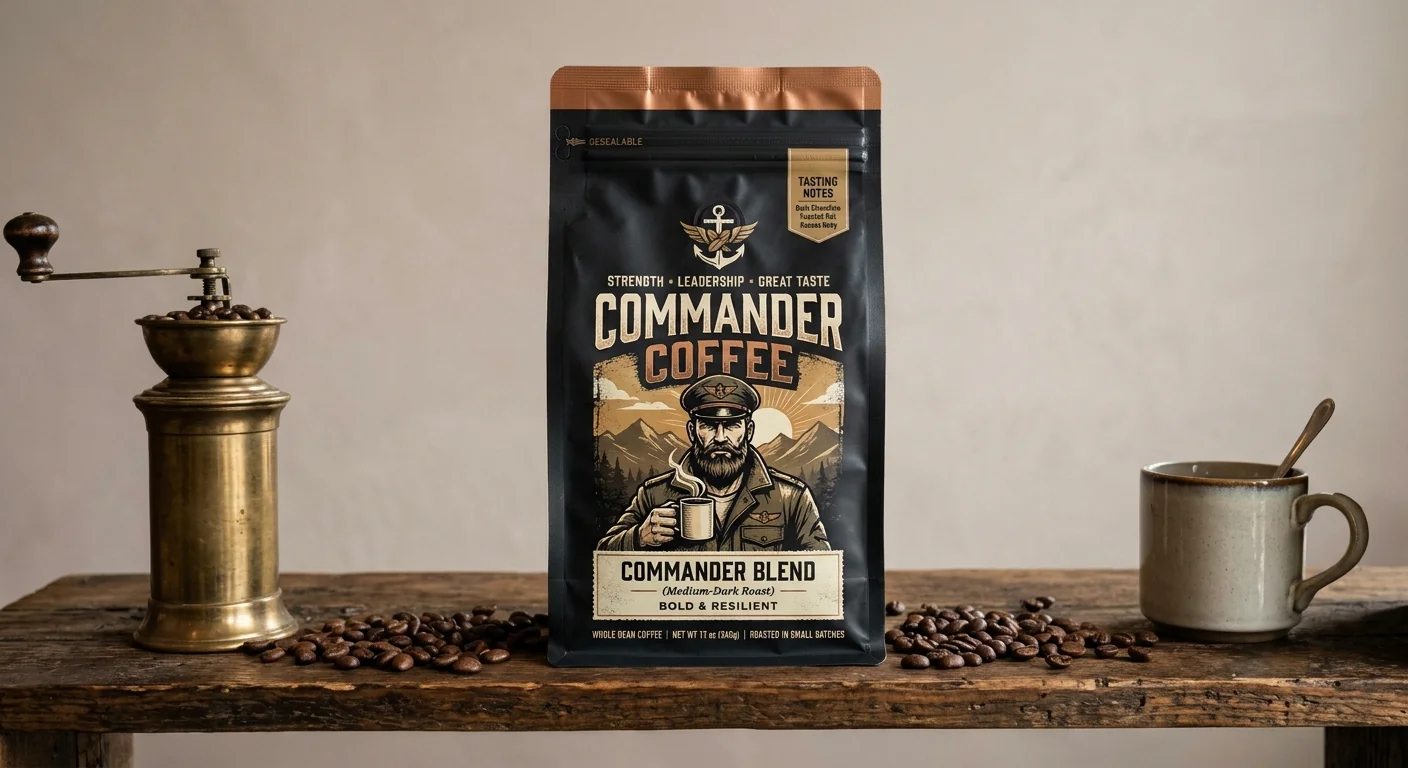
Commander Coffee Packaging offers a useful starting point for coffee brands looking to package roasted beans, ground coffee, instant coffee, and specialty blends. Packaging has several jobs to perform. It protects the product, communicates roast information, supports storage, and gives customers a reason to remember the brand. The right packaging format depends on the coffee type, sales channel, expected shelf life, and available budget.
For independent roasters, coffee shops, subscription businesses, and wholesale suppliers, packaging can range from simple kraft bags to printed retail cartons and premium gift boxes. Each format serves a different purpose, so buyers should compare material performance, printing quality, order quantities, and total cost before placing an order.
What Is Commander Coffee Packaging?
Commander Coffee Packaging refers to coffee packaging solutions intended for retail presentation, product protection, storage, and distribution. Depending on the supplier and product specification, the range may include printed coffee boxes, resealable pouches, valve bags, cartons for coffee pods, and gift packaging.
A brand using this type of packaging can maintain a consistent identity across several coffee varieties. For example, a medium roast, dark roast, and decaffeinated blend can share the same logo and layout, with different colors or labels identifying each product.
Common Coffee Products and Their Packaging
Different coffee products require different packaging structures.
- Whole coffee beans: Barrier pouches with one way degassing valves help release carbon dioxide from freshly roasted beans without allowing outside air to enter freely.
- Ground coffee: High barrier bags help limit exposure to oxygen, moisture, and light, which can affect aroma and flavor.
- Instant coffee: Sealed sachets, jars, and cartons protect the product from moisture during storage and handling.
- Coffee pods: Printed cardboard cartons with internal dividers keep individual pods organized.
- Coffee gift sets: Rigid boxes, folding cartons, and fitted inserts can hold several coffee varieties or combine coffee with mugs and accessories.
The outer box usually provides branding and physical support. A sealed inner bag or container performs the main freshness protection job.
Types of Commander Coffee Packaging
1. Custom Printed Coffee Boxes
Custom coffee boxes are suitable for specialty roasters, premium blends, retail displays, and gift collections. They can be manufactured from folding carton board, kraft paperboard, or corrugated material.
A folding carton works well for lightweight retail products. Corrugated board provides extra cushioning for shipping. Rigid boxes are a suitable option for premium coffee gifts or corporate packages.
Available features may include:
- Full color logo printing
- Roast names and tasting notes
- Product windows where suitable
- Internal dividers and product inserts
- Matte or gloss coatings
- Foil details and embossed logos
The dimensions should match the inner coffee bag or container. An oversized box can increase shipping costs and allow the product to move during delivery.
2. Coffee Bags With Degassing Valves
Coffee bags are the primary package for many roasted coffee products. Common formats include flat bottom bags, side gusset bags, and stand up pouches.
Flat bottom bags stand upright on shelves and provide a broad front panel for product information. Side gusset bags are popular for larger quantities and traditional coffee retail formats. Stand up pouches suit smaller roasters and direct to consumer brands.
A one way degassing valve is useful for freshly roasted beans. Roasted coffee releases carbon dioxide after roasting. The valve allows gas to escape and restricts outside air from entering. A zipper or another suitable closure helps customers reseal the bag after opening.
3. Kraft Coffee Packaging
Kraft coffee packaging uses a natural paper appearance that suits independent coffee shops, organic product ranges, and artisan roasters. Brown kraft paper can communicate a simple, traditional brand identity.
The paper itself does not automatically provide enough protection against oxygen or moisture. Many kraft coffee pouches contain an inner barrier layer made from plastic or foil. Buyers should check the full material structure rather than judging protection by the outer surface alone.
Kraft boxes are useful for secondary packaging, sampler sets, and retail cartons. They can be printed with a logo, roast level, origin information, and preparation instructions.
4. Coffee Pod and Capsule Boxes
Coffee pod packaging helps organize single serve coffee products for retail shelves, offices, and online orders. Boxes can contain a single flavor or several varieties in one pack.
Internal dividers help prevent unnecessary movement. Clear labels identify compatible brewing systems, pod counts, roast profiles, and flavor varieties. Buyers should confirm the dimensions of the pods before approving a carton design.
Materials Used in Coffee Packaging
Material selection affects freshness, durability, printing, and total cost. The best option depends on the package format and the product inside.
Paperboard and Corrugated Cardboard
Paperboard is common for folding cartons and printed retail boxes. It supports detailed graphics and is relatively lightweight. Corrugated cardboard is better suited to shipping cartons and packages requiring more cushioning.
These materials can be printed with water based or other suitable inks, subject to supplier specifications. Food contact requirements must be reviewed if any material directly touches the coffee.
Plastic and Foil Barrier Films
Flexible coffee pouches often combine several layers of material. A structure may contain polyester, aluminum foil, and a heat sealable inner layer. Each layer contributes different properties, such as print quality, barrier performance, or seal strength.
Aluminum foil provides a strong barrier against light, oxygen, and moisture. Other high barrier films can be considered for brands seeking different recycling or performance characteristics.
The selected film should match the expected shelf life and storage conditions. A package that performs well for whole beans may not provide the same results for every ground coffee product.
Recyclable and Compostable Options
Some suppliers offer recyclable mono material pouches, paper based barrier packaging, and compostable films. Their performance and disposal requirements can vary.
A recyclable claim should match the actual material construction and the recycling facilities available to the target customer. Compostable packaging may require commercial composting facilities rather than an ordinary home compost bin. Clear disposal instructions can prevent confusion.
Custom Printing and Branding Options
Coffee packaging communicates product information before a customer opens the package. A useful layout makes the product easy to identify and helps buyers compare different blends.
Information to Include on Coffee Boxes
A retail coffee package may include:
- Brand name and logo
- Coffee variety and roast level
- Net weight in ounces or grams
- Country or region of origin, where verified
- Tasting notes and brewing recommendations
- Roast date or best by date, where applicable
- Storage instructions
- Business contact information
- Barcode and batch identification
Any organic, fair trade, or other certification claim should be supported by the appropriate documentation.
Printing and Finishing Choices
Digital printing works well for short production runs, seasonal products, and several artwork variations. Offset printing can be economical for larger orders requiring consistent color reproduction.
Common finishing choices include matte coating, gloss coating, foil stamping, embossing, and spot gloss effects. More finishing steps usually increase the unit cost. A simple printed box can be the better financial decision for everyday retail coffee, particularly for brands with a limited budget.
Commander Coffee Packaging Prices in the US Market
Coffee packaging prices vary according to size, material, order quantity, print coverage, finishing, and shipping. The figures below are indicative market ranges rather than verified prices for a specific Commander branded product.
Estimated Price by Packaging Type
| Packaging type | Estimated price per unit |
| Basic printed coffee carton | $0.15 to $0.60 |
| Custom retail coffee box | $0.35 to $1.80 |
| Printed coffee pouch | $0.40 to $1.80 |
| Premium rigid coffee gift box | $2.00 to $8.00 or more |
| Coffee pod carton | $0.35 to $1.50 |
| Corrugated shipping box | $0.50 to $3.00 |
These ranges are planning estimates, not fixed supplier quotations. The actual price may fall outside them, particularly for small orders, unusual dimensions, specialty barrier films, or premium finishes.
How Order Quantity Affects Price
A supplier may charge more per unit for 100 boxes than for 1,000 boxes. Setup, printing plates, cutting dies, and artwork preparation can contribute to the cost of a small order.
For example, a supplier listing a coffee box at $0.55 per unit would charge $550 for 1,000 units at that rate, before any excluded taxes or delivery charges. The final quotation should confirm whether setup fees, shipping, and other charges are included.
Coffee brands should compare the complete delivered cost instead of looking only at the advertised unit price.
Market and Merchant Product Analysis
Several online suppliers publish reference prices for custom coffee packaging. Their listings offer a useful comparison, though prices and availability can change.
1. Kreative Packaging
Kreative Packaging lists premium custom coffee boxes starting at approximately $0.15 per unit. Its listed options include cardstock, kraft, and corrugated materials, with digital or offset printing and several finishing choices. The supplier lists a minimum order of 50 units.
This listing may suit small businesses comparing entry level printed cartons. The advertised starting price should not be treated as a confirmed quote for every size or finish.
2. Custom Packaging Lane
Custom Packaging Lane lists custom coffee boxes from approximately $0.49 per unit at volume, with a stated minimum order of 100 units. Its product information includes several coffee box applications, printing options, and optional inserts.
This is worth comparing for brands that want a printed outer carton for whole beans, ground coffee, or gift products. Confirm the selected material and whether the inner freshness bag is included in the quotation.
3. iBOX Factory
iBOX Factory lists custom coffee boxes at around $0.48 per unit at bulk quantities, with a minimum order of 100 boxes. The supplier describes custom dimensions, artwork, structural options, and design support.
This option may be suitable for roasters seeking standard retail boxes or a package for several coffee products. Buyers should request a written quote for their exact dimensions and quantity.
4. Teal Packaging
Teal Packaging lists custom coffee bags from approximately $0.57 per unit, with bulk pricing advertised from around $0.44. Its offerings focus on custom printed flexible packaging, including options for smaller businesses.
This supplier is more relevant for brands shopping for the primary coffee pouch rather than a rigid outer gift box. Check the barrier structure, valve availability, order minimum, and final delivery terms before buying.
Which Supplier Offers the Best Value?
The lowest advertised price is not always the cheapest complete solution. A box price may exclude the inner coffee bag, and a pouch price may exclude custom inserts or additional finishing.
Compare at least three written quotes using the same dimensions, material specifications, quantity, print coverage, and delivery destination. Request a physical sample if package strength, color reproduction, or closure performance matters to the order.
How to Order Custom Commander Coffee Packaging
A clear specification helps suppliers quote accurately and reduces production errors.
- Define the coffee product. Identify whether the package will hold whole beans, ground coffee, instant coffee, or pods.
- Select the packaging format. Choose a pouch, folding carton, rigid box, or shipping carton based on the product and sales channel.
- Set the dimensions. Measure the filled inner package and allow enough room for inserts or protective materials.
- Choose the material. Specify the required barrier performance, board thickness, or corrugated grade.
- Prepare the artwork. Include the logo, product information, barcode, and required label details.
- Review a proof or sample. Check spelling, colors, dimensions, folds, seals, and fit before approving production.
- Confirm the quotation. Check minimum quantities, production time, shipping, taxes, payment terms, and replacement policies for defective goods.
For a new coffee brand, a small test order can reveal practical issues before a larger purchase. A package that looks good on screen may require changes after the first physical sample arrives.
Frequently Asked Questions
What is Commander Coffee Packaging used for?
It can refer to packaging solutions for roasted beans, ground coffee, coffee pods, gift collections, and retail coffee products. The exact product range depends on the supplier offering the name.
How much does custom coffee packaging cost?
Basic printed cartons may start around $0.15 per unit in advertised listings. Many custom coffee boxes fall within approximately $0.35 to $1.80 per unit, depending on the specifications. Premium gift boxes may cost several dollars each.
Which packaging is best for freshly roasted coffee?
A high barrier bag with a suitable one way degassing valve is a common choice for freshly roasted beans. The outer carton can provide extra support and branding, but it does not replace a suitable sealed inner package.
Can coffee packaging be eco friendly?
Yes. Recyclable materials, paper based packaging, and compostable options are available. The correct choice depends on product protection requirements and local disposal facilities. Check supplier documentation before making environmental claims.
Can small businesses order custom coffee boxes?
Yes. Some suppliers advertise minimum orders of 50 or 100 units. Small production runs can cost more per box, so comparing a few suppliers is worthwhile.
What information belongs on a coffee package?
Include the brand, coffee type, net weight, roast information, preparation or storage instructions, and applicable business or product details. Additional statements about origin, certifications, or product benefits should be accurate and supportable.
How long does custom coffee packaging production take?
Production time depends on the supplier, order quantity, material availability, printing method, and approval process. Ask for the production schedule in writing and confirm whether the quoted period includes shipping.
Commander Coffee Packaging is best evaluated by matching the package format to the coffee product, comparing supplier quotations, and checking real samples before ordering. A well specified package can protect coffee quality, support retail presentation, and help a brand manage packaging costs over time.