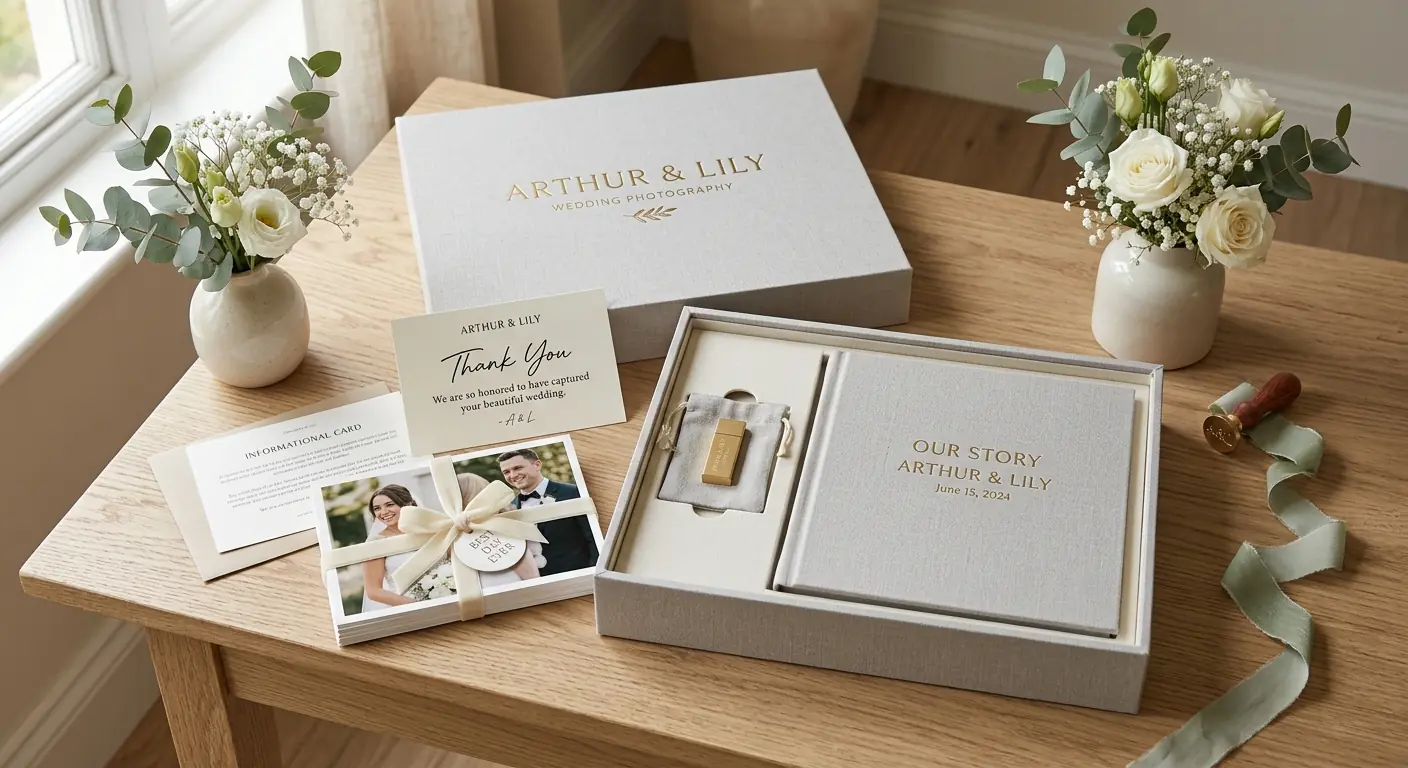
Wedding photography packaging is an important part of delivering professional photography services. Couples invest time, money and emotion in preserving their wedding memories, from engagement portraits and bridal photographs to reception highlights and family pictures. The packaging that holds these photographs should protect the contents and create a meaningful presentation when the couple receives their final order.
For photography studios, packaging offers a practical way to organize wedding albums, printed photographs, USB drives and personalized gifts. A well planned package can reflect the studio’s identity, support premium photography services and give customers a memorable experience after the wedding day has passed.
Photographers, album manufacturers and packaging suppliers have several options to consider. Material selection, box dimensions, interior protection, printing methods and personalization all affect the final product. The right combination depends on the photography package, the delivery method and the expectations of the couple.
1. What Is Wedding Photography Packaging?
Wedding photography packaging refers to the boxes, sleeves, protective inserts and presentation materials used to store and deliver wedding photographs and related products. These packages can range from simple cardboard photo boxes to premium presentation cases for large wedding albums.
Unlike ordinary shipping cartons, photography packaging often serves two purposes. It protects valuable printed materials, and it presents the photographer’s work in a way that reflects the service the customer purchased.
Common Products Included in Photography Packaging
A wedding photography package may contain several items:
- Wedding albums with hard covers and printed pages
- Loose photographs in standard or custom sizes
- Engagement and pre wedding photo collections
- USB drives containing edited photographs and video files
- Parent albums and smaller duplicate albums
- Thank you cards, printed notes and personalized gifts
- Photo books, framed prints or anniversary keepsakes
The packaging should accommodate these products without allowing them to slide, bend or rub against one another. A box intended for loose prints may require flat compartments, while a package for a thick wedding album needs stronger walls and a suitable internal depth.
Why Packaging Matters for Photography Businesses
Photographs can have considerable sentimental value. A damaged album or scratched print may be difficult to replace emotionally, even when a digital copy is available. Packaging helps reduce these risks during storage, transportation and delivery.
For studios, branded boxes can create a consistent presentation across different photography packages. Customers may keep the original box for years, using it to store albums, prints and other family photographs.
2. Popular Types of Wedding Photography Boxes
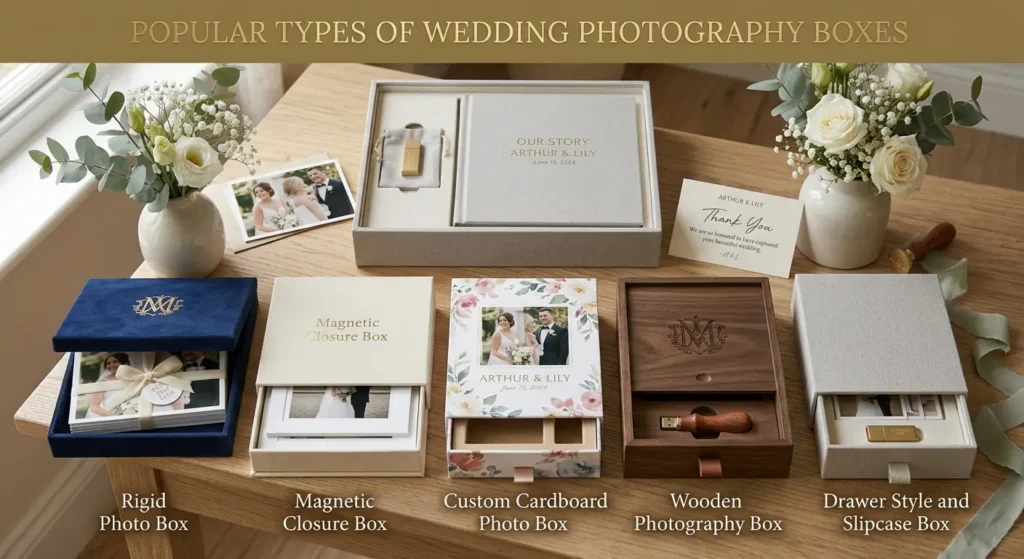
Different photography products require different box styles. Selecting the correct structure helps control material costs and gives the contents a proper fit.
Rigid Photo Boxes
Rigid boxes are made from thick paperboard and covered with printed or decorative paper. They are commonly used for premium wedding albums, luxury photo collections and high value studio packages.
A rigid box can feature a separate lid, a magnetic closure or a book style opening. The strong structure provides good support for heavy albums, and the broad outer surfaces provide room for studio branding.
These boxes are suitable for photographers who offer premium wedding collections and want a substantial presentation package.
Magnetic Closure Boxes
Magnetic closure boxes feature a hinged lid that closes with concealed magnets. They offer convenient access and can hold an album, USB drive, printed photographs or a small collection of gifts.
The inside of the lid can display the couple’s names, wedding date or a short message. Some studios use a single compartment, while others include separate sections for different items.
Custom Cardboard Photo Boxes
Cardboard photo boxes are a practical option for photographers who need attractive packaging at a moderate price. Depending on the board grade and construction, they can hold loose prints, smaller albums and digital media.
These boxes are available in different sizes and can be printed with a studio logo, a simple pattern or a personalized label. They work well for standard photography packages and larger production quantities.
Wooden Photography Boxes
Wooden boxes offer a different appearance and a solid storage structure. They are frequently used for premium wedding collections, USB presentation sets and keepsake packages.
Options include natural wood finishes, engraved names, laser cut details and fitted interiors. Wood is heavier than paperboard, so shipping costs and protective packing need attention.
Drawer Style and Slipcase Boxes
Drawer boxes open by pulling an inner tray from an outer sleeve. They can hold prints, USB drives or small albums in separate sections.
Slipcases fit around an album like a protective cover. They help reduce dust exposure and protect the outer cover from routine handling. Both styles can be useful for photographers who prefer simple packaging with a refined presentation.
3. Choosing the Right Materials
Material selection affects box strength, appearance, print quality and production cost. The ideal material depends on the weight of the album, the size of the order and how the package will be delivered.
Paperboard and Rigid Board
Rigid board is commonly used for premium presentation boxes. It holds its shape and supports heavier products better than thin folding carton stock.
Folding carton paperboard can be suitable for lightweight prints and smaller photography products. Corrugated cardboard offers additional cushioning and is useful for shipping boxes that need to withstand handling during transportation.
A packaging supplier should evaluate the actual weight of the contents before recommending a board thickness. A large album needs a different structure from a small USB presentation case.
Fabric, Foam and Protective Linings
Interior materials improve the fit and protection of the products. Common options include paper liners, fabric covered panels, foam inserts and fitted cardboard dividers.
Suitable interior components include:
- Foam inserts that hold albums or USB drives in place
- Paper dividers that separate individual photo collections
- Fabric linings that provide a soft surface for premium products
- Protective sleeves that reduce friction against printed photographs
Acid free paper and archival storage materials are worth considering for prints intended for long term preservation. The box itself should be stored in a dry environment, away from excessive heat and direct sunlight.
4. Customization and Branding Options
Custom packaging gives photography studios an opportunity to create a recognizable identity. Personalization can reflect the couple’s wedding theme or maintain the studio’s regular branding.
Logo Printing and Color Selection
A studio logo can be printed on the lid, inside panel or outer sleeve. Popular printing options include digital printing, offset printing, foil stamping and screen printing.
Digital printing works well for shorter runs and variable designs. Offset printing is often suitable for larger quantities. Foil stamping can add metallic details to names or logos, while embossing and debossing create raised or recessed designs.
Colors should complement the studio’s visual identity. Neutral shades, warm browns, ivory, charcoal and muted pastels are common choices, but the final selection depends on the intended customer and photography style.
Personalized Wedding Details
Personalized packaging can include the couple’s names, wedding date, initials or a short message. A custom label can be a cost effective solution for studios that use standard box sizes but want to personalize individual orders.
Before production, check the spelling of both names, the date format and the position of every printed element. A printed sample or digital proof helps prevent expensive mistakes.
5. Matching Packaging to Wedding Photography Packages
Photography businesses often offer several service levels. Packaging should reflect the contents and price of each package without adding unnecessary materials.
Standard Photography Packages
A standard package may contain loose prints, a small photo book and a USB drive. A cardboard box with a fitted insert can provide suitable protection without increasing the order cost too much.
For larger print collections, use dividers or individual sleeves to keep the photographs organized by event or family group.
Premium Wedding Albums
Premium packages may include a large layflat album, duplicate parent albums and digital files. A rigid box with a fitted insert is a practical option for keeping these products together.
Measure the album after binding, including its cover and spine. The internal box dimensions should allow a little room for insertion and removal without letting the album move excessively.
Luxury and Personalized Collections
High end photography packages may include engraved USB drives, fine art prints, framed photographs or personalized gifts. A box with separate compartments can keep the items organized.
The packaging should remain functional. Adding decorative features that make the box difficult to open or too heavy to ship can create problems for the customer and the photographer.
6. Box Dimensions and Interior Design
Correct dimensions help protect the contents and prevent unnecessary material use. Photographers should share the actual measurements of the finished products with their packaging supplier.
Measuring Albums and Prints
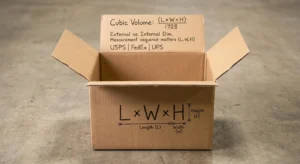
Measure the width, height and thickness of each item. For albums, include the cover board, binding and any raised cover decoration.
The internal dimensions should account for protective sleeves, inserts and dividers. The external dimensions will be larger because the box walls and lid add thickness.
Avoid making the fit too tight. Customers should be able to remove the album without pulling on the cover or damaging its corners.
Inserts and Compartments
A fitted insert can hold a USB drive beside the album, while a separate compartment can accommodate loose prints or a thank you card. Dividers can separate multiple albums and prevent them from rubbing against one another.
For shipping, the internal arrangement should keep the contents stable during movement. The outer carton may need additional cushioning, depending on the box weight and delivery conditions.
7. Protecting Wedding Photographs During Shipping
Presentation packaging and shipping packaging perform different functions. A beautiful rigid box may protect an album during ordinary handling, but it may not provide enough cushioning for parcel delivery.
Protection Against Physical Damage
Albums can suffer corner damage, cover scratches and binding pressure. Loose prints can bend or develop surface marks if they move inside a box.
To reduce these risks:
- Place prints in suitable sleeves or protective folders.
- Use a fitted insert to prevent album movement.
- Add cushioning between the presentation box and outer shipping carton.
- Seal the outer carton securely with suitable packing tape.
- Test representative packages before shipping large orders.
Moisture and Storage Conditions
Paper products and printed photographs can be affected by moisture. Use appropriate protective wrapping where exposure is possible, and avoid leaving completed orders in damp storage areas.
For long term storage, recommend a cool, dry location away from direct sunlight. Packaging cannot prevent every form of deterioration, but suitable materials and storage conditions can help preserve photographs for longer.
8. Sustainable Wedding Photography Packaging
Many couples and photography businesses prefer packaging that uses less unnecessary material. Sustainable choices can include recyclable paperboard, responsibly sourced paper, reusable boxes and reduced plastic components.
A cardboard presentation box may be a good option for studios that want a lower material footprint. Reusable rigid boxes can serve as long term storage containers after delivery.
Material claims should be checked with the supplier. A box described as recyclable may contain laminations, magnets, foam or fabric that complicate recycling. Clear material information helps customers dispose of packaging properly.
9. Ordering Custom Wedding Photography Packaging
Planning the packaging order early can prevent delays during busy wedding seasons. Suppliers need enough time to prepare samples, confirm dimensions, print artwork and manufacture the finished boxes.
Information to Share With a Supplier
Prepare the following details before requesting a quote:
- Type and quantity of albums, prints or digital media
- Finished product dimensions and approximate weight
- Preferred box style and material
- Logo artwork and personalization requirements
- Printing method, colors and interior finish
- Expected order quantity and delivery date
- Shipping requirements and target unit cost
Request a sample when ordering a new structure. Check the lid fit, insert placement, printing quality and ease of opening before approving the full production run.
Managing Costs
The cost of wedding photography packaging depends on board quality, box size, printing, finishing, inserts, order quantity and shipping. A magnetic closure box with a custom foam insert will normally cost more than a basic folding carton.
Studios can manage costs by using standard box dimensions, ordering larger quantities when practical and limiting decorative finishes to the areas that benefit most from them. Personalized labels can provide variety without requiring a completely different box for every customer.
10. Common Mistakes to Avoid
Some packaging problems arise from decisions made before production begins. A few checks can prevent damaged products and unnecessary expenses.
- Choosing a box based on external dimensions instead of usable internal space
- Using thin board for a heavy album
- Leaving USB drives or loose prints unsecured
- Ignoring the extra space needed for sleeves and inserts
- Approving printed artwork without checking names and dates
- Using a presentation box as the only protection for parcel shipping
- Ordering a large quantity without testing a physical sample
- Adding decorative features that increase cost without serving a clear purpose
A packaging supplier should understand both the product and its delivery conditions before recommending a final structure.
Final Thoughts
Wedding photography packaging combines product protection, organization and presentation. The right box keeps albums and prints secure, gives digital media a dedicated place and creates a consistent delivery experience for couples.
Photography studios should focus on material quality, correct dimensions, functional inserts and suitable shipping protection before adding decorative details. A well planned package can serve as a long term storage solution and help customers keep their wedding memories organized for many years.
Frequently Asked Questions
What is the best box for wedding photography albums?
A rigid board box with a fitted insert is a common choice for heavy wedding albums. Cardboard boxes can work well for smaller albums and standard photography packages. The best option depends on album weight, budget and shipping requirements.
Can wedding photography boxes be personalized?
Yes. Boxes can include studio logos, the couple’s names, wedding dates, printed messages, foil details and engraved elements. Personalization options depend on the material and production method.
What size should a wedding album box be?
The internal dimensions should be based on the finished album’s width, height and thickness. Allow enough space for the album to fit comfortably, including any protective sleeve or insert.
Are custom photo boxes suitable for shipping?
Some boxes can handle shipping, but presentation boxes often need a separate outer carton and cushioning. Test the complete package before sending valuable albums through a delivery service.
What is the most affordable wedding photography packaging?
A standard cardboard photo box with a printed label is often a cost effective option. Larger production quantities and standard dimensions may reduce the unit price, depending on the supplier.
Can photography boxes hold USB drives and printed photographs together?
Yes. A custom insert or divided interior can keep a USB drive, loose prints and a wedding album in separate spaces. Measure every item before ordering the box.