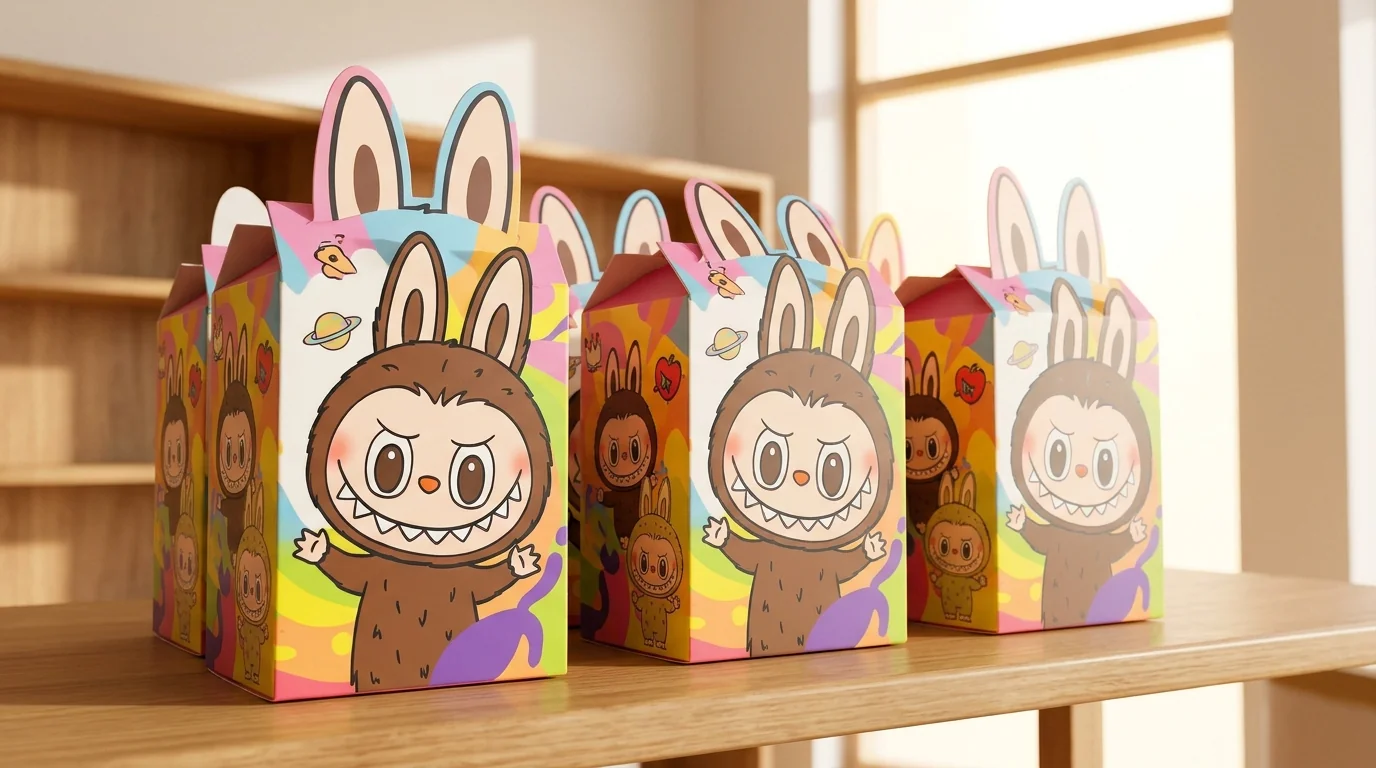
Labubu packaging has become a recognizable part of the collectible toy market. The colorful boxes, character illustrations, surprise reveals, and limited edition releases help make these products appealing to collectors and gift buyers. For many fans, opening a Labubu box is part of the fun, since the packaging creates curiosity before the character is revealed.
Labubu is a character from The Monsters series created by artist Kasing Lung and popularized through collectible products sold by Pop Mart. The company uses different packaging formats for individual figures, themed collections, plush pendants and special releases.
From a packaging industry perspective, Labubu products offer useful examples of how printed cartons, product protection, branding, and an engaging unboxing experience work together. Retailers, packaging suppliers and toy businesses can study these features when planning their own collectible packaging.
What Is Labubu Packaging?
Labubu packaging refers to the boxes, bags, inserts, labels, and protective materials used to present and distribute Labubu collectible products. The exact packaging depends on the collection, product size, release type and retail format.
Many standard figures come in blind boxes. A blind box contains a figure from a particular collection, but the buyer does not know which regular character is inside until opening the package. Some collections include rare secret figures, which makes the purchasing experience more exciting for collectors.
Main Types of Labubu Packaging
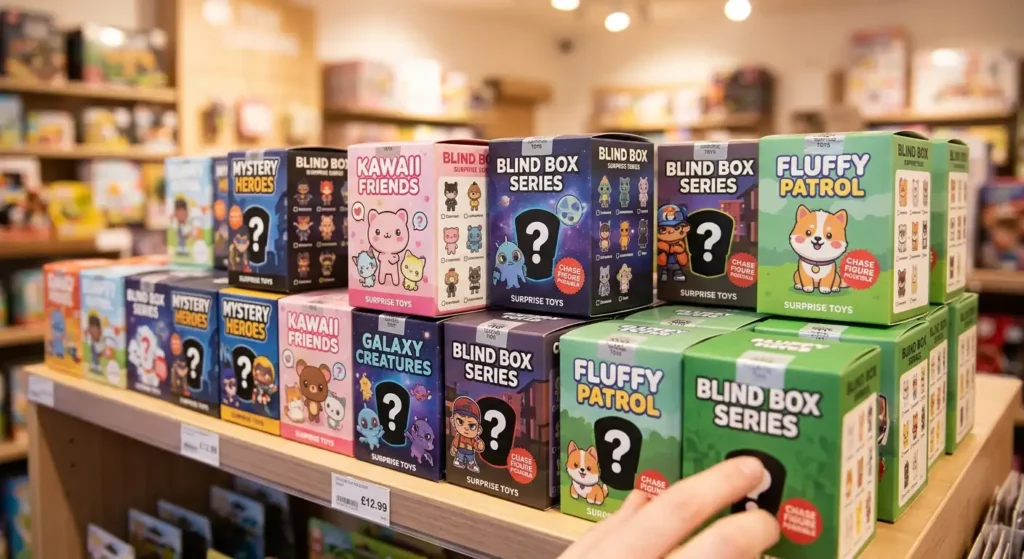
1. Standard blind boxes
Small printed cartons display the collection name, character artwork, branding and product information. An inner bag or other protective component keeps the figure concealed before opening.
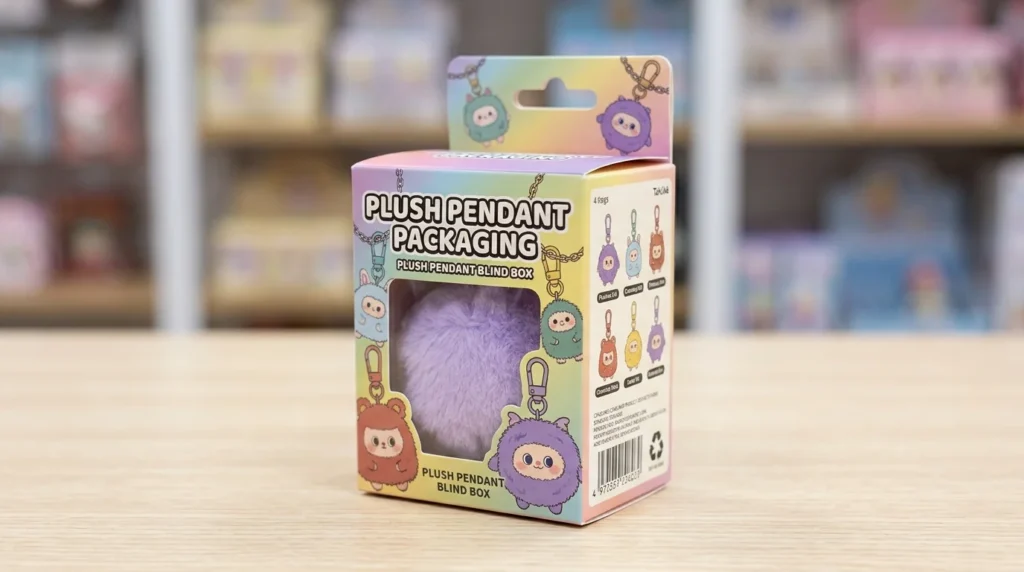
2. Plush pendant packaging
Plush Labubu pendants may use larger cartons, inner bags, tags and protective components. The packaging must accommodate soft fabric, attached accessories and the figure’s shape.
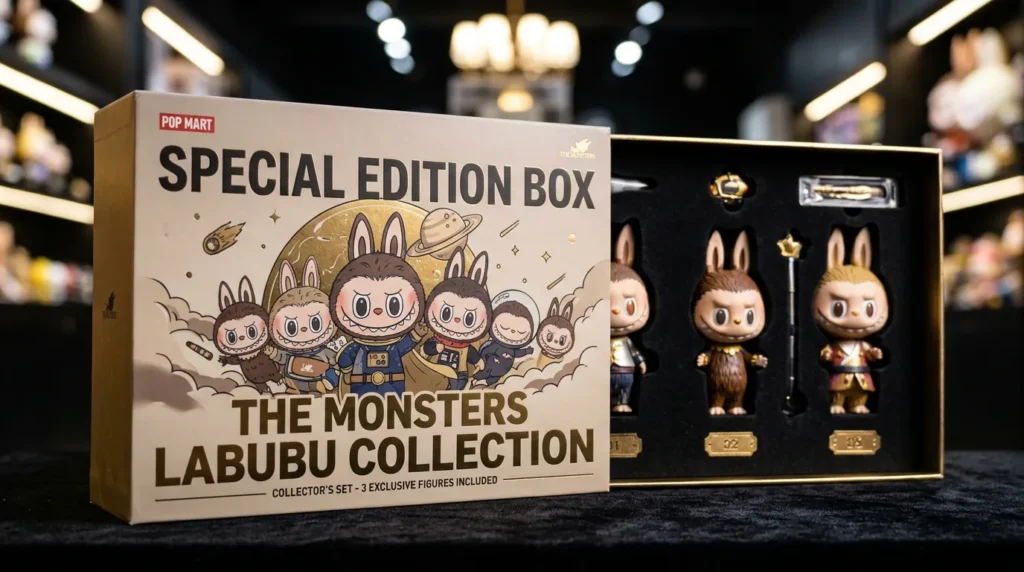
3. Special edition boxes
Selected releases may use different box structures, extra inserts, decorative finishes or presentation packaging. Availability and features depend on the individual release.
These formats serve different needs. A small carton supports mass retail distribution, whereas a larger presentation box may give a premium product more space for artwork and product information.
Why Labubu Blind Box Packaging Is So Popular
The popularity of Labubu packaging comes from the relationship between the product and the opening experience. Buyers see the collection artwork, recognize the character, and anticipate discovering which figure is inside. The outer carton provides enough information to identify the series without revealing the exact character.
This format is common in designer toys and collectible merchandise. Pop Mart applies the same general concept across several character collections, although the artwork, package structure and release details vary.
The Role of Surprise and Collectibility
Blind box packaging creates an element of uncertainty. A collector may buy one box to try a series or several boxes to complete a collection. Secret figures can increase interest, but buyers should understand that rarity does not guarantee future resale profits.
Packaging can support this interest through:
- Collection specific artwork that distinguishes one release from another.
- Character illustrations that help buyers recognize the series.
- Printed product details and brand identification.
- Sealed inner packaging that conceals the figure.
- Box variations that help collectors identify different releases.
The packaging itself can become part of the collectible item. Some buyers keep their empty boxes, especially when the printing remains in good condition and the original packaging matches a limited release.
Color, Graphics and Brand Recognition
Labubu boxes often use illustrated characters, collection names, themed backgrounds and recognizable brand marks. The visual treatment changes between releases, giving each series a different identity.
For packaging designers, this is a useful example of consistent branding combined with flexible artwork. A common brand identity can remain recognizable across different collections, even when the colors and character illustrations change.
Labubu Packaging Materials and Box Construction
Packaging materials affect appearance, shipping safety, printing quality and production cost. Labubu packaging combines printed outer cartons with internal components that help hold the product in place. The exact materials depend on the product category and manufacturing specifications.
Paperboard and Printed Cartons
Paperboard is commonly used for small retail cartons because it offers a good balance between print quality, weight and structural support. A folding carton can be printed flat, cut into a specified shape, creased and folded during production.
Common material options for collectible toy packaging include:
- Coated paperboard: Provides a suitable surface for colorful illustrations, product names and fine graphic details.
- Uncoated paperboard: Offers a natural paper texture for selected packaging styles.
- Corrugated board: Provides extra cushioning for shipping cartons and bulk transportation.
- Paper inserts: Help separate or position components inside a box.
A retail carton must retain its shape during handling. The board grade, folding structure, glue points and carton dimensions all affect how well the package performs.
Inner Bags, Inserts and Protective Components
The outer box provides the retail presentation, but internal packaging protects the product during storage and transportation. Small vinyl figures and plush pendants have different protection requirements.
A rigid figure may need a fitted tray or molded insert to prevent movement. A plush product can often be held inside a protective bag, depending on its shape and accessories. Product specific packaging requirements determine which arrangement works best.
Packaging suppliers should evaluate the following factors before selecting materials:
- Product weight and dimensions.
- Surface protection requirements.
- Risk of movement during transportation.
- Ease of opening for the customer.
- Storage conditions and shipping distance.
An insert that fits the product properly can reduce movement inside the carton. An oversized box, by comparison, may increase shipping volume and allow the item to move around.
Labubu Packaging Design Features
Labubu packaging demonstrates how character artwork and structural design can work together. A successful collectible package identifies the series, communicates the product category and gives buyers enough information to recognize the release.
Character Artwork and Color Selection
The Monsters collections use different themes, character expressions and color combinations. For example, a series featuring plush pendants may use artwork related to the characters’ colors or the collection concept. A collaboration release may introduce additional graphics associated with the partner brand.
Color selection matters for both visual recognition and print consistency. Designers prepare artwork using appropriate print specifications, then review proofs to check color reproduction, text placement and image quality.
A production team should pay attention to:
- Readability of small product information.
- Consistent logo placement across the collection.
- Image quality at the final printed size.
- Correct color reproduction on the selected board.
- Accurate cutting and folding around printed graphics.
A package can look attractive on a computer screen and still produce disappointing results after printing. Material samples and physical proofs help identify problems before a large production run.
Surface Finishes and Special Effects
Some collectible packages use finishes that create a different look or feel. Depending on the release, packaging may include a gloss or matte coating, metallic effects, spot varnish or other decorative treatments. These features should be confirmed against the specific product rather than assumed for every Labubu box.
A matte finish can reduce reflections under certain lighting conditions. Gloss coatings can make printed colors appear more saturated. Metallic effects may highlight selected areas, although they can increase manufacturing costs.
For an independent toy brand, the practical approach is to use decorative effects selectively. The goal is to make the product recognizable without adding unnecessary production steps.
Labubu Packaging Prices in the United States
The price of Labubu packaging is different from the price of a complete collectible product. A retail blind box normally includes the figure or pendant and its packaging, so the listed product price should not be treated as the manufacturing cost of the empty carton.
Official retail prices provide a useful reference for understanding the market. Prices vary by collection, release type, stock availability and retailer.
Current retail price examples
Prices listed by the official Pop Mart US store, checked for this article in October 2026. These are complete products, not empty packaging.
Retail Pricing Compared With Resale Prices
Official retail prices and reseller prices can differ substantially. Collectors may see higher asking prices for sold out releases, specific characters or rare figures. Some third party sellers offer discounts, but an unusually low price may deserve closer inspection.
A seller’s listed price does not prove that the product is authentic or that a buyer will be able to resell it at the same amount. Shipping, taxes, import costs and marketplace fees can increase the final expense.
For buyers interested in packaging rather than the figure, empty original boxes may appear on resale marketplaces. Their prices depend on the series, condition, completeness and seller demand. There is no single reliable market price for all empty Labubu boxes.
What Affects the Cost of Empty Labubu Style Boxes?
For businesses sourcing custom collectible packaging, the cost of an empty box depends on several production variables:
- Board grade and material thickness.
- Carton dimensions and structural complexity.
- Number of colors and printing method.
- Surface coatings and decorative finishes.
- Quantity ordered and setup costs.
- Internal inserts, assembly and packing labor.
A supplier cannot provide a reliable quotation from the product name alone. The business should request a size specification, artwork file, material requirements and estimated order quantity before comparing quotes.
How to Identify Authentic Labubu Packaging
Authenticity is a major concern in the collectible toy market. Counterfeit products may imitate the colors, graphics and box structure of genuine Pop Mart releases, making visual inspection alone insufficient.
Packaging Details to Inspect
When examining a sealed Labubu product, compare it with the matching collection on the official Pop Mart website.
- Brand printing: Check the Pop Mart logo, collection name, spelling and product artwork.
- Product information: Review the printed details against the information available for the exact release.
- Box construction: Look for unusual printing defects, poor folding, damaged seals or inconsistent packaging details.
- Verification features: Follow the official brand’s current product authentication instructions, where available.
- Seller history: Review the seller’s reputation, purchase documentation and return policy.
A genuine box can become damaged during shipping, and a well printed counterfeit can look convincing. No single packaging detail guarantees authenticity. Compare multiple details and buy from authorized retailers or other trusted sources.
Collectors should be cautious about purchasing loose figures from sealed sets when the seller cannot explain their origin. A genuine looking outer box does not automatically confirm that its contents are original.
Sustainable Labubu Packaging Options
Sustainability is relevant to collectible packaging because blind boxes can generate significant amounts of paperboard, plastic bags and shipping materials. Collectors may retain the cartons, but other packaging components are often discarded after opening.
Reducing Packaging Waste
Toy manufacturers and independent brands can evaluate several options for reducing material use.
- Use appropriately sized cartons rather than oversized boxes.
- Select paperboard from responsibly managed sources when suitable.
- Reduce unnecessary inserts and decorative layers.
- Evaluate recyclable paper components and clearly communicate local disposal guidance.
- Use protective materials that meet product safety and shipping requirements.
Recyclability depends on the material composition and local recycling facilities. Coatings, mixed materials and attached components can affect whether a package is accepted in a recycling stream.
A paperboard carton may be recyclable in many locations, but an attached plastic window or laminated finish can change its disposal requirements. Businesses should verify material claims with their packaging supplier instead of assuming all paper based packaging is recyclable.
How to Store Labubu Boxes for Collectors
Original packaging can matter to collectors who plan to keep their figures for a long time. Good storage helps prevent fading, crushing, moisture damage and surface wear.
Practical Storage Tips
- Keep boxes away from direct sunlight to reduce fading.
- Store them in a dry location with stable temperature and humidity.
- Avoid placing heavy objects on delicate retail cartons.
- Use protective sleeves or archival storage boxes when appropriate.
- Keep receipts and purchase records with limited edition items.
- Separate opened inner components from the outer box if you plan to retain the complete packaging.
A sealed box may be desirable to some collectors, but unopened packaging does not guarantee a higher resale price. Condition, release popularity, authenticity and market demand all influence buyer interest.
Labubu Packaging for Retailers and Custom Packaging Businesses
Businesses that manufacture boxes for collectible toys can learn from the Labubu packaging model without copying protected artwork, trademarks or branded layouts. The broader lesson is that product packaging can support recognition, repeat purchasing and collection building.
Recommended Packaging Specification
A packaging supplier preparing a quote for a similar collectible product should gather the following information:
| Specification | What to define |
| Product dimensions | Height, width, depth and weight |
| Box structure | Folding carton, rigid box or other format |
| Board material | Grade, thickness and strength |
| Printing | Color requirements and artwork files |
| Surface finish | Matte, gloss or selected special effects |
| Inner protection | Tray, insert, bag or divider |
| Order quantity | Sample run and production volume |
| Shipping needs | Individual delivery or bulk cartons |
A sample box should be tested before full production. The supplier can review folding performance, product fit, print alignment and protection during handling. This helps reduce errors that could become expensive across a large order.
For businesses selling blind box toys, a consistent box structure with collection specific graphics can simplify production planning. The same basic carton format may work across several figures, provided the dimensions and protection requirements remain suitable.
Final Thoughts
Labubu packaging illustrates how collectible toy boxes can contribute to brand recognition, product protection and the excitement of opening a blind box. Printed cartons, internal protection, collection artwork and limited release presentation all play a part in the customer experience.
For collectors, original packaging can support storage and collection display. For retailers, current prices and seller credibility deserve careful review. For packaging manufacturers, Labubu provides a useful case study in balancing material selection, print quality, product fit and production cost.
The strongest packaging strategy is one that protects the product, communicates its identity and gives customers a positive opening experience without adding unnecessary material or expense.
Frequently Asked Questions About Labubu Packaging
1. What is Labubu packaging made of?
Labubu packaging varies by collection. Retail cartons commonly use printed paperboard, with inner bags, inserts or other protective components depending on the product. Shipping cartons may use corrugated board.
2. How much does a Labubu blind box cost?
Official US retail prices vary by collection. The examples reviewed for this article include the Big into Energy Vinyl Plush Pendant at $26.99 and the Hair Salon Vinyl Plush Pendant Blind Box at $39.99.
3. Can you buy empty Labubu boxes?
Empty boxes may be available from collectors and third party sellers through resale marketplaces. Availability, condition and price vary. Confirm that the listing is for an empty box rather than a complete product.
4. Does original Labubu packaging increase resale value?
Original packaging may make an item more appealing to some collectors, especially if it is in good condition. Its effect on resale value depends on the release, authenticity, demand and condition of the figure.
5. How can I tell if Labubu packaging is fake?
Compare the packaging with the matching official product listing, inspect the printing and product details, and follow current authentication guidance from Pop Mart. Packaging alone cannot establish authenticity with complete certainty.
6. Is Labubu packaging recyclable?
Some paperboard components may be recyclable through local programs. Plastic bags, mixed materials and coated components may require different disposal methods. Check local recycling rules and material labels.
7. Can businesses order custom Labubu packaging?
Businesses can commission custom packaging for their own collectible products. They should use original artwork and branding or obtain appropriate licensing before reproducing Labubu or Pop Mart intellectual property.