
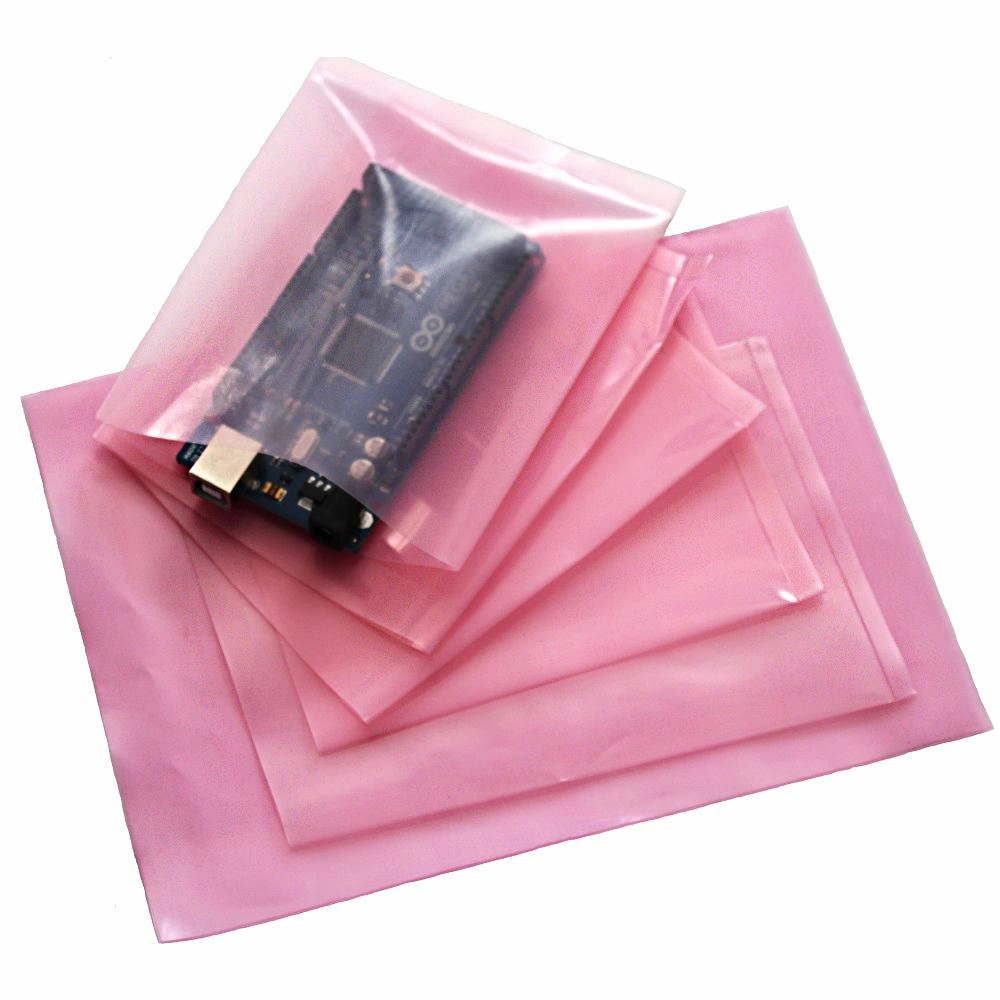
Anti static packaging is a special type of packaging used to protect electronic products from electrostatic discharge (ESD). Static electricity can build up on packaging, clothing, hands and nearby surfaces. When this charge moves into a sensitive electronic part, it can damage circuits, reduce performance or cause the product to stop working.
Electronic parts such as printed circuit boards (PCBs), computer chips, microprocessors, memory cards and sensors are often sensitive to static electricity. Even a small discharge that people cannot feel may cause damage.
Anti static packaging helps control static charges during storage, shipping and handling. It gives manufacturers, electronic suppliers, repair shops and online sellers a safer way to deliver their products.
Custom anti static packaging is available in different sizes, colors, materials and styles. Businesses can choose bags, boxes, foam inserts, protective wraps and other packaging options based on the type of electronic product they sell.
Why Is Anti Static Packaging Important?
Electronic components are becoming smaller and more sensitive. A tiny amount of static electricity can affect their internal circuits. The damage may not appear right away. A product could pass an initial test and fail after reaching the customer.
Using suitable ESD packaging helps reduce these risks.
Protection Against Electrostatic Discharge
Electrostatic discharge happens when electrical charge moves between objects with different electrical potentials. This sudden movement can damage sensitive electronic parts.
Anti static packaging helps control the movement and buildup of static electricity. Some materials reduce charge generation, while others shield products from external electrical fields.
Safe Storage and Shipping
Electronic products often travel through warehouses, distribution centers, shipping trucks and delivery networks. During this process, packages may face movement, friction, pressure and changes in temperature.
Protective packaging helps reduce the risk of damage during these stages. It can also support organized storage and easier product handling.
Lower Product Losses
Damaged electronic components can lead to returns, replacement costs and customer complaints. Businesses may lose time testing and repairing products.
Using the right anti static materials can help reduce product losses and support better quality control.
Types of Anti Static Packaging
Different electronic products require different packaging solutions. The choice depends on product sensitivity, shipping conditions, storage needs and budget.
Anti Static Bags
Anti static bags are among the most common packaging options for electronic components. They are lightweight, flexible and available in several sizes.
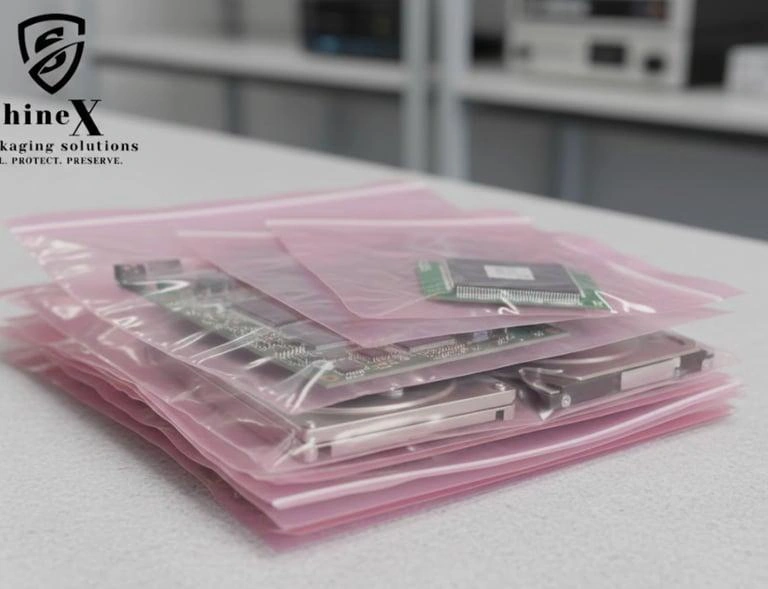
Pink anti static bags are often made from polyethylene materials with additives that help reduce static charge generation. They are commonly used for parts that need protection from static buildup during handling.
Typical products packed in anti static bags include:
- Computer cables and accessories
- Small electronic components
- Connectors and switches
- Memory modules
- Circuit boards for applications where shielding is not required
Pink anti static bags are not the same as static shielding bags. They help reduce static generation but may not protect against external electrostatic discharge.

Static Shielding Bags
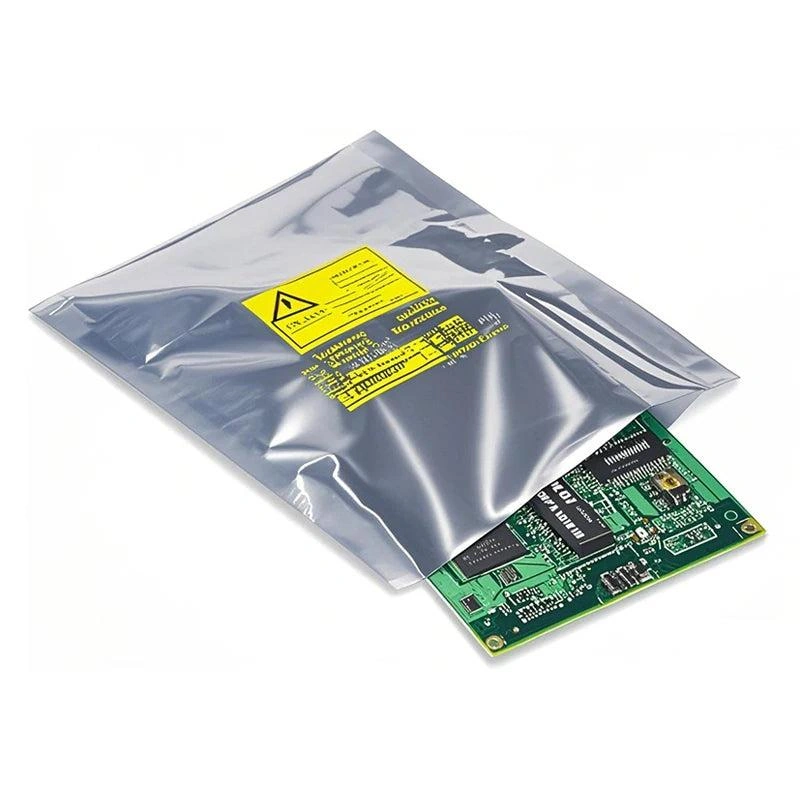
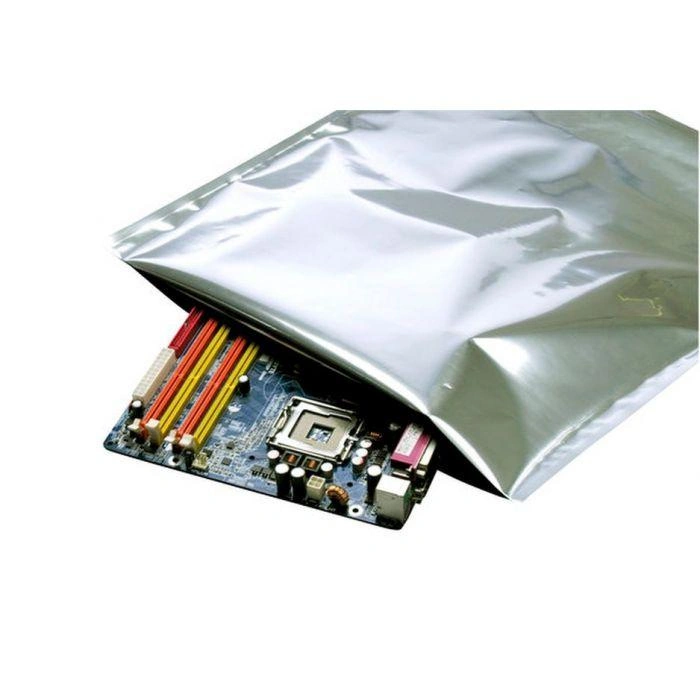
Static shielding bags are commonly used for sensitive electronics. Many have a layered construction that includes a metalized barrier to shield products from external static fields.
These bags are often silver or metallic in appearance. They are used for PCBs, integrated circuits, computer parts and other ESD sensitive items.
Common features include:
- Shielding against external electrostatic discharge
- Flexible construction for easy storage
- Heat sealable openings
- Multiple size options
- Clear or partially transparent surfaces for product identification
Static shielding bags are a common choice for shipping sensitive electronics outside controlled ESD environments.
Conductive Packaging
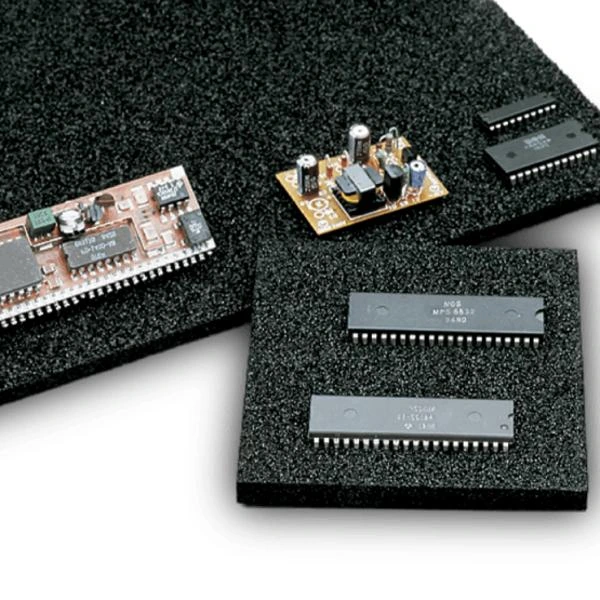
Conductive packaging uses materials that allow electrical charge to move through the material. This can help dissipate static charges when used as part of a suitable ESD protection system.
Conductive packaging may include black plastic bags, conductive foam, trays and containers.
It is commonly used for electronic manufacturing, semiconductor handling and specialized component storage.
Anti Static Foam
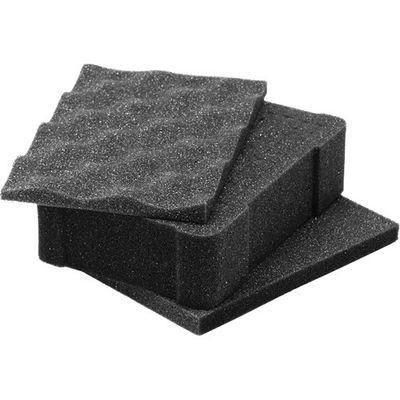
Anti static foam provides cushioning and helps control static electricity around electronic products. It can protect items from impact, vibration and movement during shipping.
Foam packaging is available in different densities, thicknesses and shapes. Businesses can use foam inserts inside custom boxes to keep products in place.
Common uses include:
- Computer boards
- Electronic testing equipment
- Sensors and small devices
- Industrial electronic parts
- Delicate connectors
Anti Static Bubble Wrap
Anti static bubble wrap combines cushioning with static control. It is useful for products that need extra protection against bumps and movement.
Pink anti static bubble wrap is commonly used for general static sensitive products that do not require a shielding barrier. Shielding bubble materials are available for applications with stronger ESD protection requirements.
Materials Used in Anti Static Packaging
The material used in anti static packaging depends on the type of product and the level of protection required. Packaging suppliers offer several materials for different industries.
Polyethylene
Polyethylene is widely used for anti static bags and films. It is lightweight, flexible and suitable for many electronic components.
Anti static polyethylene film can help reduce static buildup during product handling. It is often used for cables, accessories, and small electronic items.
Metalized Film
Metalized film is commonly used in static shielding bags. A thin metal layer helps provide a barrier against external electrostatic fields.
The material may include several layers to support durability, shielding and product visibility. These bags are a popular choice for computer hardware and circuit boards.
Corrugated Cardboard
Corrugated cardboard is often used for shipping boxes that hold electronic products. It provides structure and helps protect products from pressure during transportation.
Businesses can combine corrugated boxes with anti static bags, foam inserts or protective trays. This creates a packaging system that offers both ESD protection and physical protection.
ESD Safe Plastic
Some plastic materials are made with conductive or dissipative properties. These materials help control electrical charge and are used for trays, containers, bins and protective covers.
The right material depends on the product’s sensitivity and the handling environment.
Custom Anti Static Packaging for Different Products
Custom packaging helps businesses protect products that have different shapes, sizes and storage needs.
Anti Static Packaging for Computer Parts
Computer parts such as RAM, motherboards, graphics cards and processors need suitable ESD protection. Static shielding bags are commonly used for these items.
Custom boxes with foam inserts can provide additional support during shipping. The box size should match the product to reduce movement inside the package.
Anti Static Packaging for Circuit Boards
Printed circuit boards contain sensitive electrical components that can be damaged by static discharge.
A common packaging setup includes:
- A static shielding bag around the circuit board
- Protective foam or a suitable tray
- A corrugated shipping box
- Product labels and handling instructions
This packaging arrangement helps protect the board during storage and transportation.
Anti Static Packaging for Mobile Phone Parts
Mobile phone components such as display connectors, camera modules, batteries and circuit boards may need ESD protection.
Small anti static bags are suitable for individual components. Larger boxes can hold several packaged parts for wholesale distribution.
Battery packaging requires separate attention to safety and shipping rules. Anti static packaging alone does not meet lithium battery transport requirements.
Anti Static Packaging for Industrial Electronics
Industrial equipment often includes sensors, control boards, automation parts and communication devices.
Custom anti static boxes and foam inserts help organize these products during delivery. Businesses can use dividers to keep several components separated inside one package.
Custom Printing and Branding Options
Anti static packaging can include branding and product information without affecting its protective purpose.
Packaging suppliers may offer custom printing on boxes, labels and approved bag materials. Printing options depend on the packaging material and its ESD requirements.
Common printing details include:
- Company logo
- Product name and model number
- Barcode and QR code
- Product handling instructions
- Warning labels
- Batch number and tracking information
For electronic products, packaging information should remain easy to read. Businesses can use simple colors and clear product labels to support warehouse teams and customers.
Printing inks, coatings and adhesives should be compatible with the intended ESD packaging system.
How to Choose the Right Anti Static Packaging
The right packaging depends on product sensitivity, shipping conditions and the required level of protection. A supplier should understand the product before recommending a material.
Check the Product’s ESD Sensitivity
Different electronic components have different sensitivity levels. Some may require basic static control, while others need shielding from external electrical discharge.
Review the product’s ESD handling requirements before ordering packaging.
Select the Right Packaging Size
Packaging should fit the product without putting pressure on delicate parts. Oversized bags and boxes can allow movement during shipping.
Small bags are useful for individual components, while custom boxes and trays are better for larger products.
Consider Shipping Conditions
Products shipped locally may need different packaging from products traveling internationally.
Consider:
- Shipping distance
- Handling during transit
- Temperature and humidity changes
- Warehouse storage conditions
- Risk of impact and vibration
Review ESD Standards
Businesses working with sensitive electronics may follow standards such as ANSI/ESD S20.20 and IEC 61340. These standards support ESD control programs and handling practices.
Packaging should be selected based on the relevant product requirements and tested performance. A pink bag alone does not provide the same protection as a static shielding bag.
Anti Static Packaging Market Price and Cost Analysis
Anti static packaging prices vary by material, size, thickness, protection level, order quantity and printing requirements. Small standard bags usually cost less than custom shielding bags or packaging systems with foam inserts.
The following prices are estimated market ranges in US dollars, not live merchant quotes. Actual costs vary by supplier, product specifications and shipping fees.
| Packaging type | Estimated price |
| Small pink anti static bags | $0.05 to $0.30 each |
| Standard static shielding bags | $0.10 to $1.00 each |
| Anti static bubble bags | $0.15 to $1.50 each |
| Anti static foam sheets | $5 to $30 per sheet |
| ESD foam inserts | $1 to $15 each |
| Custom anti static boxes | $0.50 to $5.00 each |
| ESD conductive trays | $1 to $10 each |
Merchant and Supplier Price Comparison
Businesses can compare packaging merchants and wholesale suppliers before placing an order.
| Merchant or supplier | Products to compare | Typical pricing approach |
| Amazon | Standard anti static bags and bubble bags | Retail packs and multipacks |
| Uline | Shielding bags, foam and packaging supplies | Product size and quantity based |
| Grainger | Industrial ESD packaging and supplies | Industrial supply pricing |
| DigiKey | ESD bags and electronics packaging | Component supply pricing |
| Alibaba | Custom bags, boxes and printed packaging | Bulk and manufacturer quotations |
Prices from these merchants can change, and some products require a quote. Compare bag dimensions, shielding specifications, quantity and delivery charges rather than relying on the lowest price alone.
How to Reduce Packaging Costs
Bulk orders can reduce the price per unit. Businesses can request samples before placing large orders to check material quality and product fit.
Helpful cost saving methods include:
- Ordering standard sizes for frequently shipped components
- Buying in bulk when storage space is available
- Using custom printing only where it adds value
- Comparing several suppliers
- Choosing the right protection level instead of paying for unnecessary features
Cheap packaging can become expensive if it leads to damaged products and customer returns. Product protection should remain the main priority.
Benefits of Custom Anti Static Packaging
Custom anti static packaging offers several benefits for electronics manufacturers, wholesalers, retailers and online businesses.
Better Product Protection
Suitable ESD packaging helps reduce the risk of electrical damage during storage, handling and shipping. Foam, inserts and outer boxes can add physical protection.
Improved Product Organization
Custom bags, trays and boxes make it easier to sort products by model, size or batch number. This is useful for warehouses and electronic assembly facilities.
Professional Product Presentation
Printed packaging helps businesses display their logo and product details. Clear labels can make packages easier to identify and support brand recognition.
Reduced Shipping Waste
Packaging that fits the product can reduce unused space and help businesses avoid oversized shipping cartons. A suitable box size may lower shipping costs and reduce material waste.
Industries That Use Anti Static Packaging
Anti static packaging is used across many industries that manufacture, store or sell electronic products.
Some common industries include:
- Consumer electronics
- Computer hardware manufacturing
- Semiconductor production
- Automotive electronics
- Aerospace and aviation
- Medical equipment manufacturing
- Telecommunications
- Industrial automation
- Electronics repair and maintenance
These industries use different ESD packaging materials based on product sensitivity and their internal handling requirements.
Anti Static Packaging and Environmental Considerations
Businesses are paying more attention to packaging waste and material use. Anti static packaging suppliers offer different options to support waste reduction.
Some packaging materials may be recyclable through specialized programs, depending on their composition and local recycling facilities. Standard recycling systems may not accept metalized films or mixed material packaging.
Businesses can reduce waste by using the right package size, avoiding unnecessary layers and checking whether suppliers offer recyclable or reusable options.
Reusable ESD containers and trays can be useful in closed manufacturing and distribution systems. Their suitability depends on cleaning requirements, material performance and the packaging control process.
Frequently Asked Questions
What is anti static packaging used for?
Anti static packaging protects electronic components from static electricity during storage, handling and shipping. It is used for circuit boards, computer parts, chips, sensors and other sensitive electronics.
What is the difference between anti static bags and shielding bags?
Anti static bags help reduce static charge buildup on their surfaces. Static shielding bags provide a barrier against external electrostatic discharge. Sensitive electronic products often require shielding bags for shipping.
Are pink anti static bags safe for electronics?
Pink anti static bags are suitable for many static sensitive products that require protection from charge buildup. They do not provide the same shielding protection as metalized static shielding bags.
How much does anti static packaging cost?
Standard anti static bags may cost around $0.05 to $0.30 each in estimated bulk pricing. Static shielding bags can cost around $0.10 to $1.00 each. Custom packaging costs more depending on size, printing and order quantity.
Can anti static packaging be customized?
Yes. Businesses can request custom sizes, thicknesses, printing, foam inserts, labels and box styles. Product requirements and supplier capabilities determine the available options.
Can anti static packaging protect circuit boards during shipping?
Yes, suitable ESD packaging can help protect circuit boards from static discharge. A static shielding bag with a suitable protective box or foam system is commonly used for shipping sensitive boards.
Is anti static packaging required for all electronic products?
No. Packaging requirements depend on the product’s ESD sensitivity and handling instructions. Sensitive electronic parts often need specific ESD protection, while less sensitive products may require other packaging.
Order Custom Anti Static Packaging for Your Business
Anti static packaging helps businesses protect electronic products from static electricity and shipping damage. From pink anti static bags and silver shielding bags to conductive foam and custom corrugated boxes, there are several options for different product requirements.
Choosing the right packaging material, size and protection level can help reduce product damage, shipping losses and customer complaints. Businesses should compare suppliers, check ESD specifications and test packaging samples before placing large orders.
Custom anti static packaging can support electronics manufacturers, distributors and retailers with reliable product protection and better packaging presentation.