Shrink packaging roll is one of the most practical packaging materials used for wrapping, protecting and presenting products. From retail paperboard boxes to printed cartons, food packaging and consumer goods, shrink film provides a secure outer covering that helps products stay protected during storage, shipping and retail display.
Businesses use shrink packaging rolls for many reasons. Some want to protect printed paperboard packaging from dust and moisture. Others need a transparent outer covering that holds multiple products together without hiding their branding. It is a very useful option for businesses that need affordable packaging with a professional appearance.
Choosing the right shrink film roll depends on material type, thickness, product dimensions and packaging equipment. A good selection can reduce packaging waste, improve product presentation and support better handling throughout the supply chain.
This guide covers shrink packaging roll materials, applications, sizes, benefits, printing options, costs and practical buying considerations for paperboard packaging businesses.
What Is a Shrink Packaging Roll?
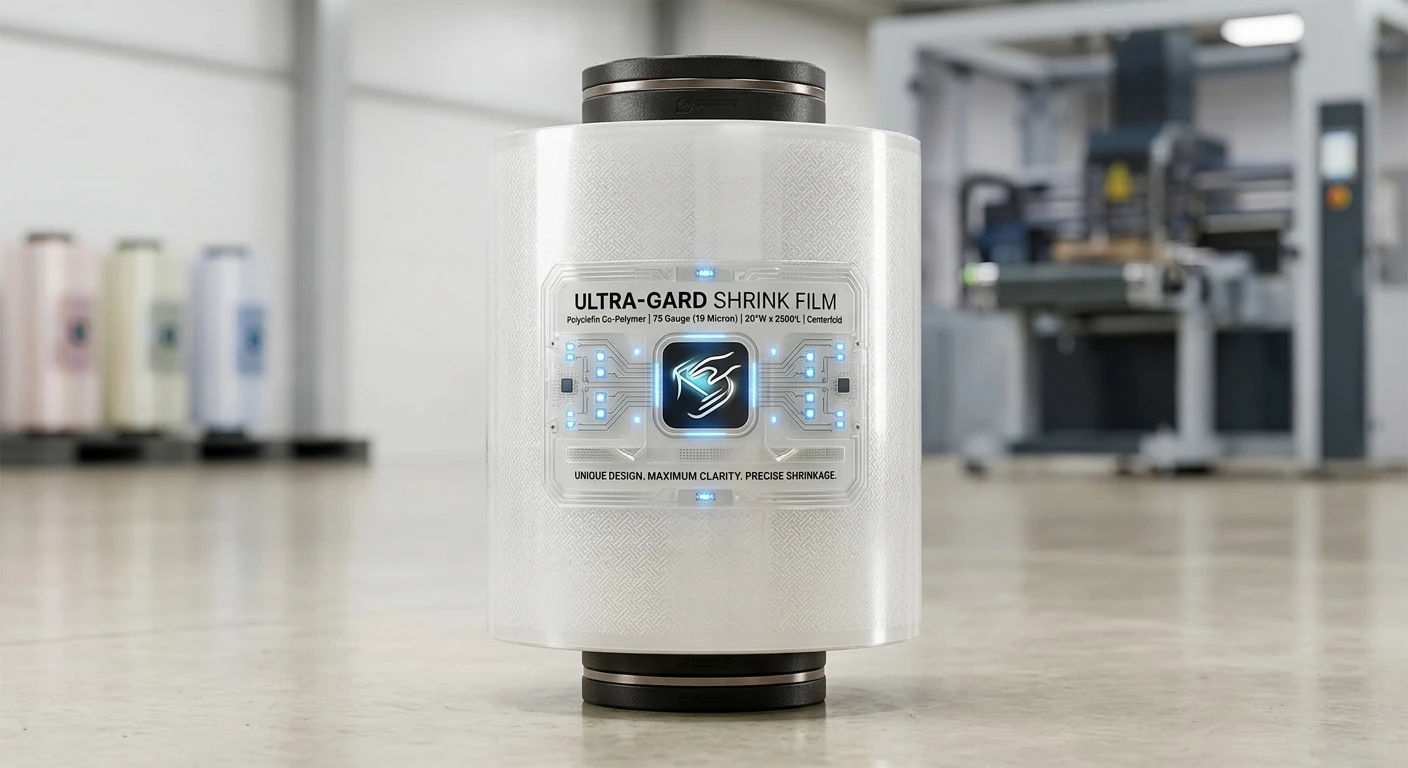
A shrink packaging roll is a continuous supply of plastic film that contracts around a product when exposed to controlled heat. The film is supplied on a roll and can be cut, sealed and heated to form a close fitting outer covering.
The material is commonly called shrink wrap film, heat shrink film or shrink wrapping roll. These terms refer to packaging films that shrink when heated, though different materials have different properties.
In paperboard packaging, shrink film is usually applied over a finished carton, printed box or grouped set of products. It provides an additional protective layer without replacing the structural support of the paperboard.
For example, a printed paperboard cosmetic box can be wrapped with transparent shrink film to protect the printed surface during handling. The packaging remain visible through the film, which is useful for retail presentation.
How Does Shrink Packaging Film Work?
Shrink film is manufactured through a process that gives the plastic a controlled molecular orientation. When suitable heat is applied, the film contracts toward its intended dimensions.
The basic process includes:
- Place the paperboard box or product inside shrink film.
- Cut the required film length according to product dimensions.
- Seal the film using compatible sealing equipment.
- Apply controlled heat through a shrink tunnel or heat gun.
- Allow the film to cool around the package.
The final result is a fitted outer wrapping that helps hold the packaging securely.
Film performance depends on temperature, exposure time, shrink ratio and the physical characteristics of the packaged product.
Types of Shrink Packaging Rolls
Different shrink film materials are available for commercial packaging. Selecting the correct material affects clarity, flexibility, durability and overall packaging cost.
1. Polyolefin Shrink Film Roll
Polyolefin, commonly called POF, is a popular material for retail shrink packaging. It offers good transparency, flexibility and sealing performance.
POF shrink film is widely used for wrapping printed paperboard cartons, cosmetics, stationery products and retail packaging.
Main benefits include:
- High transparency for displaying printed packaging.
- Good resistance to punctures and tearing.
- Flexible wrapping around different product shapes.
- Suitable grades for certain food contact applications.
- Compatibility with many automatic packaging systems.
POF is often preferred for retail products that require an attractive outer wrapping.
2. Polyethylene Shrink Film Roll
Polyethylene, or PE, is commonly used for heavier products and grouped packaging applications.
It is available in different formulations, including low density polyethylene and linear low density polyethylene.
PE shrink film provides useful strength for bundling products such as beverage cartons, grouped retail boxes and larger paperboard packages.
It is often thicker than retail POF film and can provide stronger containment for heavier loads.
3. PVC Shrink Film Roll
Polyvinyl chloride, known as PVC, is another shrink packaging material used in certain retail applications.
PVC film can offer good transparency and shrink characteristics. It has been used for wrapping small cartons, printed products and various consumer goods.
Material selection requires care since PVC can release irritating fumes during overheating and may face recycling or regulatory restrictions in certain markets.
Many businesses now prefer POF for general retail shrink wrapping applications.
4. Centerfold Shrink Film Roll
Centerfold shrink film is folded lengthwise before being wound onto a roll. This creates two film layers connected along one folded edge.
It is commonly used with L bar sealing machines to wrap individual paperboard boxes and retail products.
Centerfold film helps reduce handling steps and is very convenient for businesses packing different carton sizes.
5. Single Wound Shrink Film Roll
Single wound shrink film consists of one continuous layer of film wound onto a roll.
This format is frequently used in automatic packaging systems and applications requiring controlled film feeding.
It can be suitable for high volume production where consistent packaging speed matters.
Shrink Packaging Roll for Paperboard Boxes
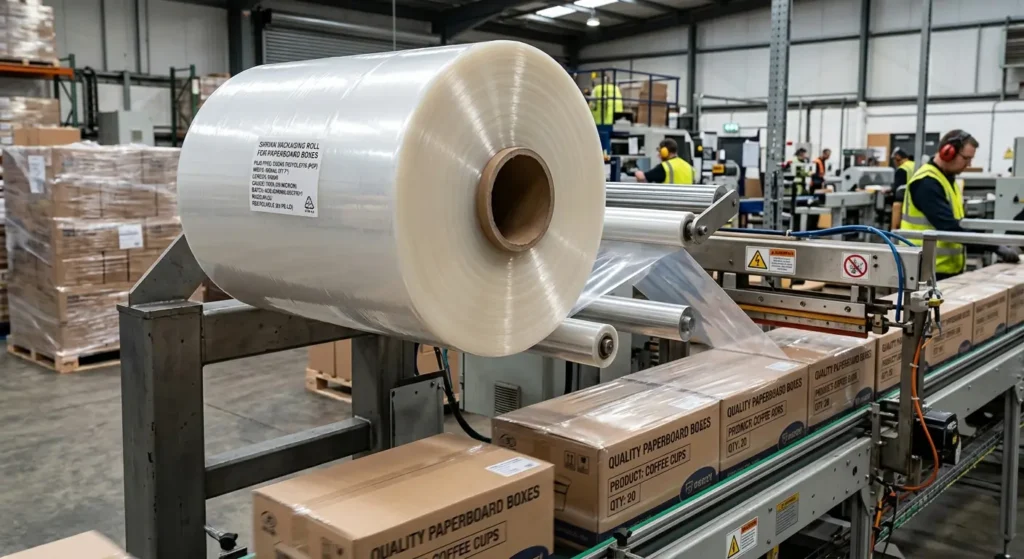
Paperboard packaging provides structure, branding space and product organization. Shrink film adds an external layer that can support protection and presentation.
The combination is commonly used for folding cartons, printed retail boxes and product bundles.
Protecting Printed Paperboard Surfaces
Printed paperboard boxes may feature offset printing, digital printing, matte lamination, gloss lamination or decorative coatings.
Shrink film can help reduce direct contact with dust, fingerprints and minor surface abrasion.
This is particularly useful for products that pass through multiple storage and distribution stages before reaching customers.
Shrink wrapping does not make paperboard waterproof. Film openings, seals and damage can still allow moisture to reach the carton.
Keeping Multiple Cartons Together
Shrink film can hold several paperboard cartons together as one retail or shipping unit.
For example, businesses may group three cosmetic boxes, four stationery cartons or several promotional product boxes into a single package.
This reduces the need for some additional bundling materials and makes handling more convenient.
Supporting Product Presentation
Transparent shrink wrapping allows printed artwork, product information and brand colors to remain visible.
For premium printed paperboard boxes, film clarity is very important. Cloudy film, wrinkles or poor sealing can affect how the package looks.
A suitable shrink packaging roll helps maintain a consistent retail appearance without covering the original box design.
Common Applications of Shrink Packaging Rolls
Shrink packaging rolls are used across different industries. Their usefulness comes from the ability to wrap products with different shapes, sizes and packaging requirements.
Retail and Consumer Product Packaging
Retail businesses use shrink film for wrapping paperboard cartons containing cosmetics, personal care products, stationery and household items.
The outer film protects the package from everyday handling and helps keep products together during display.
Food and Beverage Paperboard Packaging
Shrink film is used around some food cartons, multipacks and beverage packaging.
Examples include tea boxes, confectionery cartons, dry food packaging and grouped beverage cartons.
For direct food contact, the film must meet applicable food contact requirements. An outer film used over paperboard is not automatically approved for direct contact with food.
Pharmaceutical and Healthcare Cartons
Certain pharmaceutical and healthcare products use shrink wrapping as secondary packaging.
The film can protect outer cartons from dust and support product grouping during distribution.
Shrink film alone should not be treated as a certified tamper evident solution. That depends on package design and whether opening leaves visible evidence.
Gift Boxes and Promotional Packaging
Paperboard gift boxes, seasonal packaging and promotional product sets can be wrapped using transparent shrink film.
This keeps grouped items together and protects decorative printed surfaces from routine handling.
Benefits of Using Shrink Packaging Roll
Shrink film is widely selected for commercial packaging due to its practical features and relatively affordable material cost.
Better Protection During Handling
Shrink film creates a close fitting barrier around the outer packaging.
It helps limit exposure to dust, dirt and minor handling marks. This is very useful for paperboard cartons that need to maintain their printed appearance.
Affordable Packaging Material
Shrink packaging roll can be economical for businesses processing large quantities of products.
Roll format allows film to be dispensed continuously, reducing the need to handle individual wrapping sheets.
Actual savings depend on film thickness, machine efficiency, labor requirements and material waste.
Clear Product Visibility
Transparent shrink film allows customers to view printed designs, product labels and package details.
This benefit is valuable for retail paperboard boxes where graphics and product information influence buying decisions.
Flexible Packaging Applications
Shrink film can accommodate many rectangular, square and irregular product shapes.
Different film grades offer varying shrink forces, which gives businesses more options for delicate paperboard cartons and stronger product bundles.
Improved Packaging Organization
Grouped cartons can be handled, counted and stored more conveniently.
This can help warehouse operations where multiple small products need to move together as one unit.
Shrink Packaging Roll Sizes and Thickness
Shrink film is available in different widths, lengths and thicknesses. The correct specifications depend on the product and the packaging machine.
Common Film Thickness Options
Film thickness is usually measured in microns or gauge.
Common options include:
- 12 microns: Suitable for some lightweight retail products.
- 15 microns: Frequently used for smaller paperboard cartons.
- 19 microns: Useful for many medium weight retail packages.
- 25 microns: Offers additional strength for demanding applications.
- 50 microns and above: Used in certain heavier bundling applications, depending on film material.
Thicker film is not automatically better. Excessive shrink force can bend lightweight paperboard panels or damage carton corners.
Choosing the Correct Roll Width
Roll width should match the dimensions of the product and the sealing equipment.
For centerfold film, the folded width must provide enough material to accommodate the product height and width, with suitable sealing allowance.
The required size should be verified through sample wrapping rather than relying on carton width alone.
Roll Length and Packaging Volume
Shrink packaging rolls may be supplied in different lengths according to film type, thickness and supplier specifications.
Longer rolls can reduce roll replacement frequency in high volume operations.
Buyers should compare usable film area and film weight instead of looking at roll length only.
Shrink Packaging Machines and Equipment
Shrink packaging film can be applied manually, semiautomatically or through automated production lines.
Manual Shrink Wrapping
Small businesses may use a sealing machine and heat gun for limited production.
This method offers flexibility but requires careful temperature control.
Excessive heat can distort plastic film, weaken seals or damage printed paperboard packaging.
Shrink Tunnel Machines
Shrink tunnels use controlled heated air to contract the film around the product.
They are commonly used for repeatable commercial packaging operations.
Tunnel temperature, conveyor speed and airflow must be adjusted according to film properties and carton construction.
Automatic Shrink Wrapping Machines
Automatic machines can feed film, seal packages and transfer them through shrink tunnels with reduced manual handling.
These systems are useful for businesses processing larger quantities of paperboard boxes.
Machine compatibility should be checked before purchasing a shrink packaging roll.
Printed and Custom Shrink Packaging Rolls
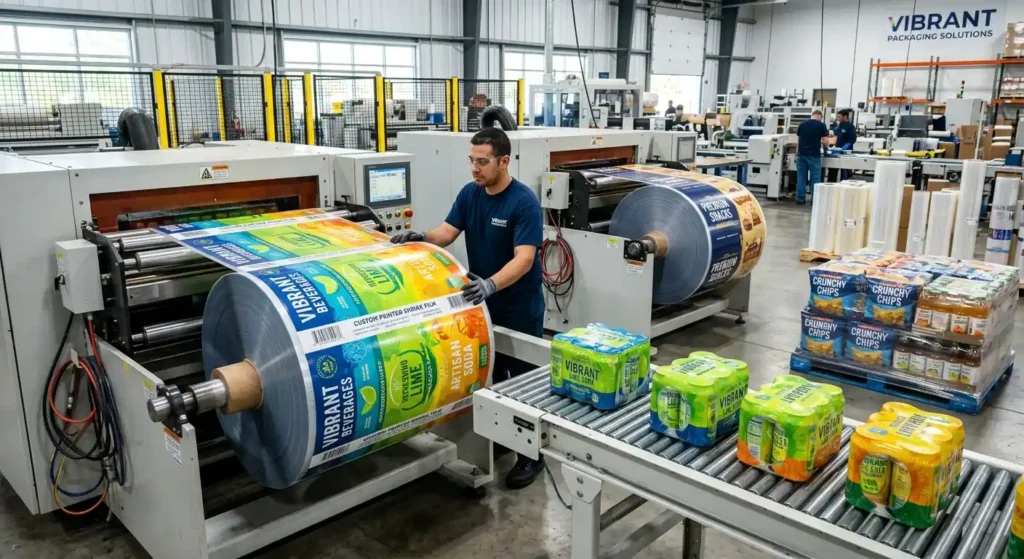
Some businesses require printed shrink film for branding, product identification or promotional packaging.
Custom printing may include product information, logos, instructions or decorative graphics.
Printed film must account for shrink distortion. Artwork placement and film orientation affect how graphics appear after heating.
For paperboard boxes that already carry detailed printed branding, transparent shrink film is often more practical than printed film.
Custom Specifications for Packaging Orders
Businesses can request shrink packaging rolls based on several requirements:
- Film material and grade.
- Required thickness and roll width.
- Roll length and core diameter.
- Shrink percentage and shrink direction.
- Sealing machine compatibility.
- Transparency and surface appearance.
- Printing requirements and order quantity.
Correct specifications help reduce material waste and avoid packaging problems during production.
How Much Does Shrink Packaging Roll Cost?
Shrink packaging roll prices vary according to material, thickness, dimensions, manufacturing quality and purchasing quantity.
POF, PE and PVC films may have different prices based on formulation and regional availability.
Custom printed film usually involves additional production requirements and setup costs.
A very cheap film may create more waste through poor sealing, tearing or inconsistent shrink performance.
For accurate cost comparison, calculate film consumption per finished package, including rejected packages and machine waste.
This gives a more realistic packaging cost than comparing roll prices alone.
How to Choose the Best Shrink Packaging Roll
Choosing the right shrink film require a practical review of product needs and production conditions.
Check the Paperboard Strength
Lightweight folding cartons may be affected by high shrink force.
Select a film grade and heating process that provides sufficient wrapping without crushing the carton.
Review Film Clarity and Sealing Quality
Retail paperboard packaging benefits from transparent film with reliable seals.
Request samples and test them on actual cartons before placing large orders.
Match Film With Packaging Equipment
Check the roll width, core size, film format and sealing requirements.
Some shrink film grades performs better with certain sealing temperatures and machine configurations.
Consider Sustainability and Recycling
Shrink film adds plastic to a paperboard package, which affects its material footprint and disposal requirements.
Paperboard and plastic film should be separated before recycling where local collection programs accept them.
Some PE and POF films may be recyclable through suitable film collection streams, but acceptance varies by location and material composition.
Businesses can reduce material use by selecting appropriate film thickness and minimizing unnecessary wrapping.
Common Shrink Packaging Problems and Solutions
Shrink wrapping results depend on film quality, equipment settings and product dimensions.
Wrinkles in the film: Check film size, airflow and heating conditions. Excess material can create an uneven finish.
Weak or open seals: Review sealing temperature, pressure, dwell time and film compatibility.
Burn holes: Reduce excessive heat exposure and inspect heating equipment.
Crushed paperboard corners: Consider lower shrink force film and adjust tunnel settings.
Cloudy packaging appearance: Check film quality, storage conditions and processing temperature.
Excessive film waste: Review film width, cutting length and machine adjustment.
Regular machine maintenance and product testing can reduce many of these issues.
Final Thoughts on Shrink Packaging Roll
Shrink packaging roll remains a practical option for businesses using paperboard cartons, printed retail boxes and grouped product packaging.
The right film can help protect printed surfaces, improve product visibility and make packaging operations more organized. Material selection, film thickness, machine settings and carton strength all influence the finished result.
For businesses purchasing shrink packaging rolls in bulk, sample testing and accurate material specifications are important steps before confirming production quantities.
A well matched shrink film and paperboard packaging combination can provide reliable protection, consistent retail presentation and affordable packaging performance.
Frequently Asked Questions About Shrink Packaging Roll
What is a shrink packaging roll used for?
A shrink packaging roll is used to wrap individual products, paperboard boxes and grouped cartons. Heat contracts the film around the package to provide a fitted outer covering.
Which shrink film is best for paperboard boxes?
POF shrink film is a common choice for retail paperboard boxes due to its clarity, flexibility and sealing characteristics. The best grade depends on carton strength, dimensions and packaging equipment.
Is shrink packaging waterproof?
Shrink film can provide resistance to moisture exposure, but ordinary shrink wrapping is not necessarily waterproof. Seal openings, punctures and film damage may allow water to enter.
Can shrink film damage printed cartons?
Yes. Excessive heat or high shrink force can bend paperboard panels, affect certain coatings or damage corners. Testing is necessary before full production.
What is the difference between shrink wrap and stretch wrap?
Shrink wrap contracts when heat is applied. Stretch wrap is stretched around products and uses elastic recovery to hold them together. Stretch film is commonly used for pallet wrapping.
Can shrink packaging rolls be recycled?
Some shrink film materials can be recycled through suitable collection programs. Recycling depends on polymer type, local facilities and contamination levels.
Is shrink film suitable for food packaging?
Certain shrink film grades are suitable for food contact applications when they meet applicable regulations. Buyers should request relevant compliance documentation from the supplier.
What thickness is suitable for retail cartons?
Many lightweight retail cartons use POF film in the approximate range of 12 to 19 microns. Heavier or more demanding packages may require thicker material.