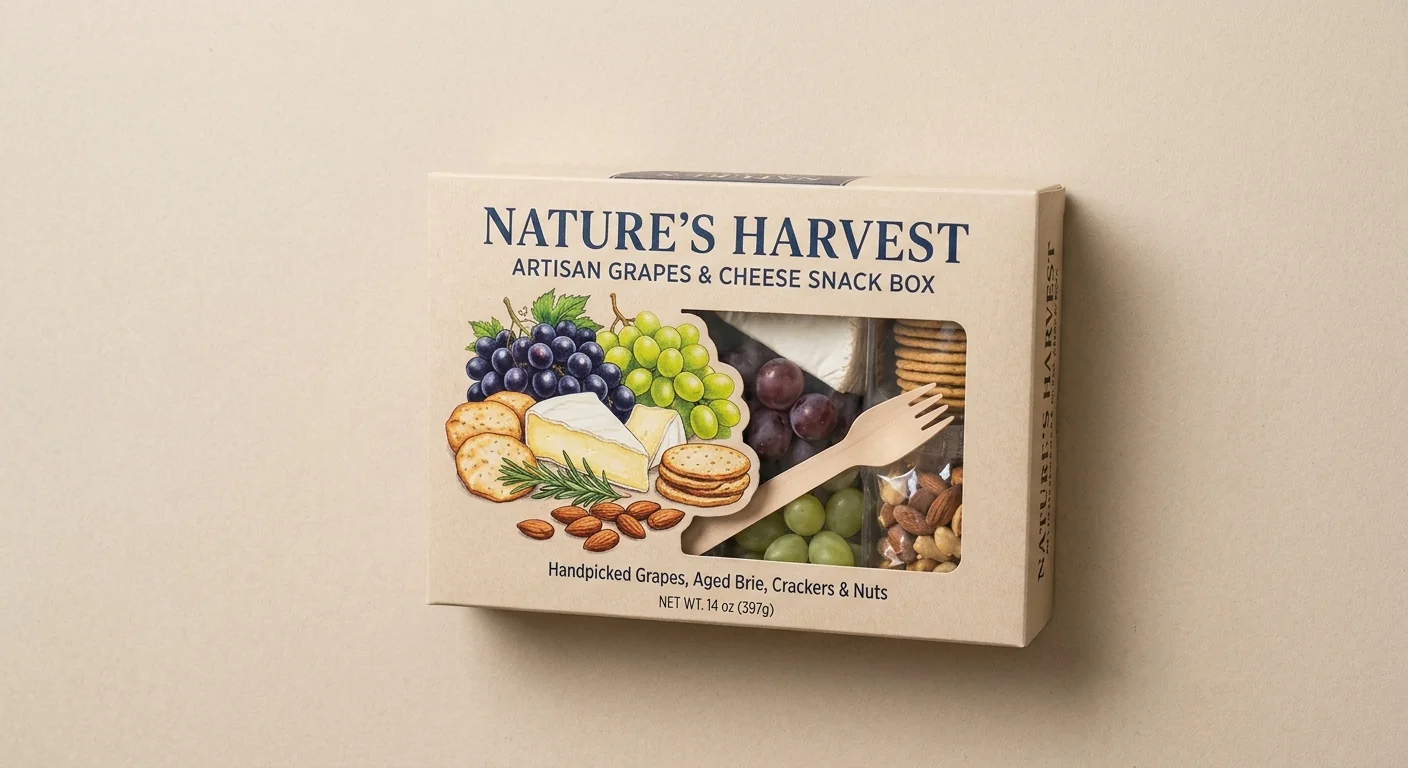
Food packaging carries a product through storage, transportation, retail display and the customer’s hands. For American bakeries, restaurants, grocery suppliers, and growing food businesses, paperboard offers a useful mix of protection, printable space, and manageable storage. The right package starts with the food inside, its handling conditions, and the experience customers expect.
A cookie carton and a hot meal container may look similar on a purchasing sheet, yet their performance requirements are very different. Grease, steam, freezing temperatures and stacking pressure all affect material selection. Attractive printing helps sell the product, but the structure has a real job to do.
What Is Food Packaging?
The food packaging definition covers materials and containers used to hold, protect, transport, identify, and present food. Packaging reduces exposure to handling contamination and physical damage. Depending on its construction, it can limit moisture movement, oxygen exposure, and light.
Primary, Secondary, and Shipping Packaging
Primary packaging directly holds the food, such as a coated paperboard tray. Secondary packaging groups or presents an already wrapped product, such as a carton containing sealed snack bags. Shipping packaging protects these units during distribution.
These layers work together. A printed carton may provide shelf appeal and stacking support, but a separate sealed liner may carry most of the moisture barrier responsibility. Food packaging for shipping often needs an outer corrugated box, cushioning, and temperature control for perishable products.
Paperboard Materials and Common Box Styles
Paperboard is a relatively thick paper material made from cellulose fibers. Its stiffness, surface finish, fiber composition, and coating influence how a package folds, prints, and performs. Board thickness alone does not describe its strength.
Common Paperboard Grades
Solid bleached sulfate, often called SBS, offers a white surface for printed retail cartons. Coated unbleached kraft, or CUK, uses unbleached fibers and provides strength for many carton applications. Coated recycled board, often called CRB, contains recovered fibers and needs careful suitability review for the intended food contact arrangement.
Recycled content does not automatically make a board suitable for direct contact with every food. Suppliers should document the complete structure, including coatings, adhesives and barriers. Brown paperboard is not automatically safer or more recyclable than white paperboard.
Popular Food Packaging Boxes
Different structures solve different handling problems:
- Folding cartons suit cereal, dry snacks, tea, and wrapped confectionery.
- Bakery boxes hold cakes, pastries and donuts, with inserts where needed.
- Paperboard trays support prepared meals and portioned foods.
- Takeout cartons accommodate restaurant orders with suitable grease resistance.
- Sleeves provide printed information around trays or sealed containers.
- Window cartons display products through an attached transparent panel.
Food packaging boxes needs enough internal space to prevent damage without allowing excessive movement. A cake requires support at its base; delicate cookies benefit from dividers. Corrugated board has a fluted layer and is a separate construction commonly used for shipping or heavier loads.
Food Contact Safety and Packaging Chemicals
Food contact suitability depends on the intended application. Dry crackers, oily pastries, hot meals, and frozen desserts place different demands on paperboard. Contact time and temperature matter just as much as the food category.
FDA Requirements and Supplier Documentation
The US Food and Drug Administration regulates substances used in food contact applications. Relevant paper and paperboard provisions include 21 CFR 176.170 for aqueous and fatty foods and 21 CFR 176.180 for certain dry food uses. Applicable conditions and restrictions must be checked for the actual package.
Ask suppliers for documentation covering the board, coating, adhesive, and other components relevant to contact. A statement saying “food safe” provides little detail by itself. Buyers should know whether the package is suitable for hot filling, refrigerated storage, freezing, or reheating.
Coatings, Inks, and PFAS
Food packaging chemicals can include sizing agents, coating ingredients, printing inks and adhesive components. Their presence does not establish a safety problem by itself; migration, exposure, and authorized use conditions need assessment. Printing on the outside still requires attention to transfer during stacking and storage.
In February 2024, FDA announced that PFAS containing grease proofing substances were no longer being sold by manufacturers for US food contact use. In January 2025, the agency determined that 35 related food contact notifications were no longer effective. This action concerns those grease proofing uses in paper and paperboard packaging.
Request current coating information and supporting documentation for relevant PFAS claims. A supplier’s old sample specification may no longer describe its current production.
Food Packaging and Shelf Life
Food packaging and shelf life are connected through barriers, seals, product handling, and storage conditions. Paperboard protects against light and physical damage, but untreated board is porous. It does not provide the same gas or moisture barrier as a suitable sealed film structure.
Moisture, Oxygen, and Grease Protection
Dry foods may lose their texture after absorbing moisture. Fatty foods can develop unwanted flavors through oxidation, and grease can stain an unsuitable carton. The coating help slow grease penetration, but the complete package must be tested with the actual food.
Some paperboard food packaging containers use polyethylene, PET, or other barrier layers. Water based coatings offer another approach, with performance depending on formulation and application. Barrier choices affect sealing, recycling compatibility, and cost.
Shelf Life Testing and Food Packaging Gas
Shelf life trials should examine the food inside its final packaging under expected storage conditions. Relevant measurements may include microbial quality, moisture, flavor, texture and seal integrity. Accelerated testing can support development, but it needs a justified relationship to normal storage.
Modified atmosphere packaging may use nitrogen, carbon dioxide, or controlled gas mixtures. These systems require suitable barriers and seals, often supplied by a liner or lidded tray within the paperboard structure. A folding carton alone does not retain a protective gas atmosphere.
Packaging cannot replace refrigeration or correct unsafe processing. It is really useful protection, yet food safety still depends on the whole operation.
Food Packaging Design and US Labeling
Food packaging design combines structure, graphics, and usable information. Start with dimensions, opening direction, product weight, and filling method before approving artwork. An attractive carton that collapses during filling creates very expensive decoration.
Structural and Graphic Design
A food packaging drawing should show panel dimensions, fold lines, glue areas, closures, and any window placement. The dieline guides cutting and artwork positioning. Free food packaging design templates can support early ideas, but production artwork must match the converter’s approved structure.
Food packaging color codes belong in the print specification. CMYK values support process printing, and specified spot colors can help maintain consistency. Color alone should not identify allergens or product varieties; readable wording gives customers another cue.
Use legible fonts, sensible contrast, and enough room for required information. Easy opening tabs and readable instructions support food packaging for seniors. One should test the opening with actual users, and you may find that a small tab causes a surprisingly large problem.
Label Information
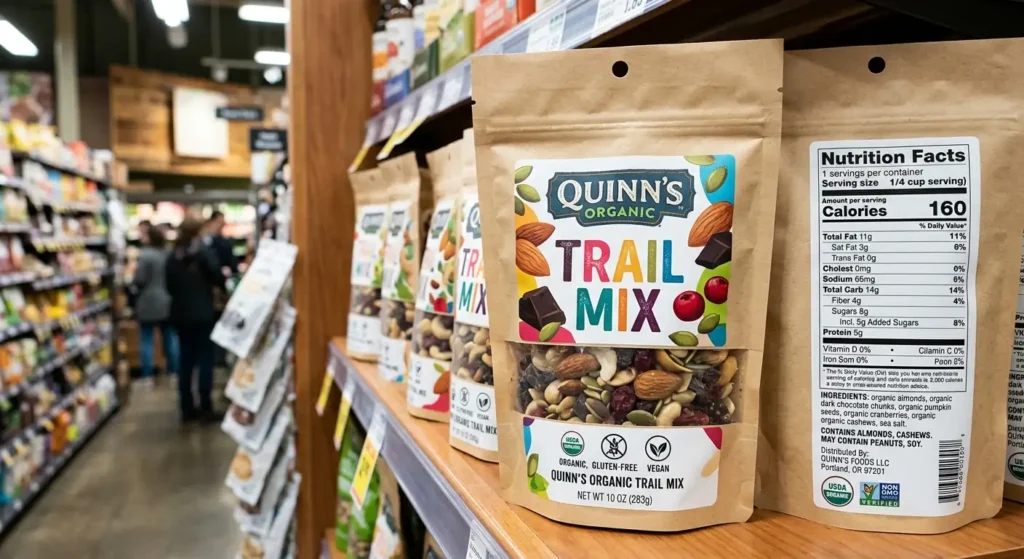
For many packaged foods regulated by FDA, the label needs the food’s identity, net quantity, ingredients, responsible business information, and Nutrition Facts where required. Ingredient and allergen declarations need careful review, including the applicable requirements for the nine major food allergens. Exemptions and product specific rules can affect the final label.
Use American spelling, including “labeling,” in US customer content. Searches for food packaging and labelling may use another spelling, but the package itself should follow its market requirements. Never let promotional artwork crowd out mandatory information.
Food Packaging Equipment and Manufacturing
Paperboard production typically involves printing, cutting, creasing, folding, and gluing. Food packaging equipment must match the board structure and the required output. A food packaging machine for carton erection performs a different task from a tray sealing system.
Manual Packing or Automated Lines
Small businesses may assemble stock cartons by hand. Higher volumes can justify carton erectors, conveyors, filling systems, and closure equipment. The business should compare labor savings against setup time, maintenance, floor space and production volume.
A food packaging heat sealer works only with a compatible sealing surface and package format. Some coated trays accept heat sealed lidding film; an ordinary uncoated bakery carton does not. Obtain a approved sample before committing to equipment settings or a large production order.
Quality Checks
Useful checks include:
- Board thickness, stiffness, and dimensional consistency.
- Fold performance and glue bond strength.
- Grease resistance and leakage under expected use.
- Closure security and seal integrity where relevant.
- Print readability, odor, and product compatibility.
- Compression and distribution testing for stacked packages.
Keep inspection records linked to production lots. Traceability helps identify affected stock when a material or manufacturing issue appears.
Buying Food Packaging Supplies in the USA
Food packaging supplies include cartons, trays, inserts, liners, labels, and shipping materials. Purchasing these items together can simplify compatibility checks. It can just save time, really, especially during a busy seasonal launch.
Comparing Manufacturers and Distributors
Food packaging box manufacturers convert materials into finished structures. Food packaging distributors typically offer stock items from multiple sources, often with smaller order quantities. Food packaging companies may provide manufacturing, distribution, design, or a combination of services.
Businesses searching “food packaging companies near me” or “food packaging boxes near me” should compare service capability alongside distance. For food packaging Chicago orders, freight schedules, warehouse location and available stock may affect delivery. The closest supplier may still need several weeks for a custom carton.
Wholesale Costs and Small Business Orders
Food packaging boxes wholesale can reduce unit cost at higher volumes. The total expense includes tooling, printing setup, freight, storage, assembly labor, and rejected units. An affordable carton should perform consistently, since a lower purchase price loses value after damaged food and replacements.
Food packaging for small business often starts with stock sizes and printed labels. Custom printing becomes practical as order volume grows. Before ordering, request:
- Minimum order quantity and price breaks.
- Material and food contact specifications.
- Sample availability and approval procedures.
- Production lead time and delivery terms.
- Tooling ownership and repeat order costs.
When samples arrives, test them using normal staff, portions, and handling routines. Food packaging bags wholesale and liners deserve the same compatibility review as the outer carton.
Recycling and Responsible Material Choices
Paperboard contains renewable fiber, but environmental performance depends on sourcing, manufacturing, package weight, food waste prevention and disposal. Disposable food packaging is not automatically recyclable or compostable. The full material structure matters.
What US Recycling Data Shows
EPA reported an 80.9 percent recycling rate for paper and paperboard packaging in 2018. That category includes substantial corrugated box recycling and does not represent a separate recovery rate for food cartons. The historical figure should not be presented as proof that every coated takeout container gets recycled.
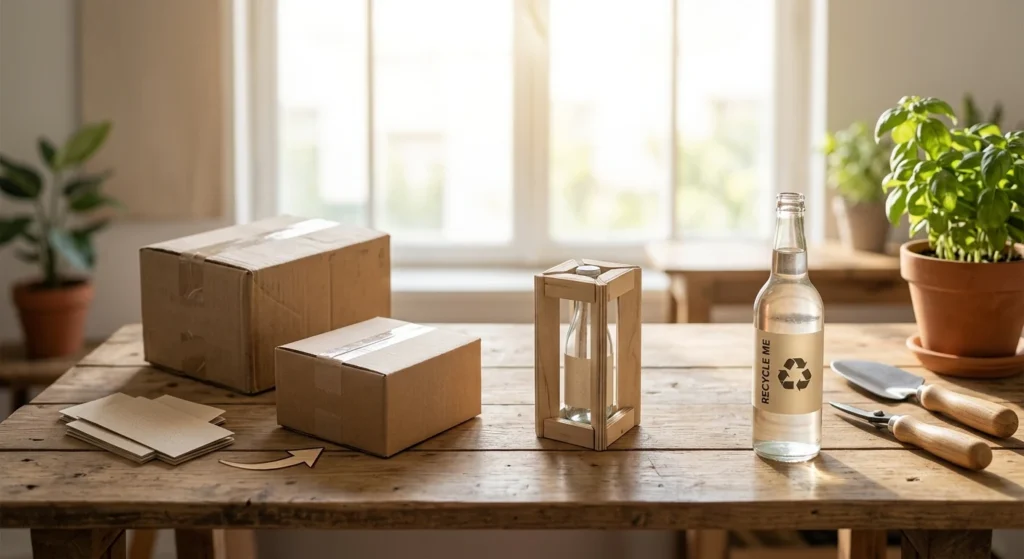
Local acceptance varies with coatings, food residue, windows, and processing capacity. Check the collection program serving the customer. Compostability requires suitable evidence and access to a facility that accepts the package.
Reducing Material Without Losing Protection
Right sizing can reduce board use and shipping space. Removing unnecessary inserts can help, provided the product remains protected. Less material is a benefit only if breakage, leakage, or spoilage does not increase.
Disposal labels gives customers practical guidance. Clear instructions reduce guesswork, and clear instructions make disposal decisions easier. That repeated point matters more than a vague green slogan.
Frequently Asked Questions
What Is the Best Paperboard Food Packaging?
The best choice depends on food type, temperature, contact time, and handling. Dry snack cartons, grease resistant bakery boxes, and coated meal trays serve different needs. Test the complete structure before selecting it.
Can Paperboard Containers Go in a Microwave?
Use a container only when the supplier confirms suitability for that heating application and its limits. Coatings, adhesives, inks, and any metallic components need review. A paper appearance does not establish microwave safety.
How Can I Find Food Packaging Companies in USA Markets?
Search by location, food application, and package type. Compare samples, documentation, delivery reliability and total cost. A food packaging consultant or packaging engineer can assist with demanding applications.
Does Better Packaging Help Sell Food?
Useful packaging protects the product, communicates information, and makes handling easier. A customer notice the fit and opening experience before reading every printed detail. Good paperboard packaging earns its place by doing those everyday jobs reliably.