Bubble packaging is one of the most popular protective packaging solutions used for shipping fragile, delicate and valuable products. Businesses use bubble cushioning materials to protect items from impacts, scratches and vibration during transportation. From electronics and glassware to cosmetics and retail products, bubble packaging helps reduce damage and makes shipping more reliable.
In paperboard packaging, bubble cushioning is commonly combined with corrugated cardboard boxes, folding cartons and protective inserts. This combination provides outer structural support and internal cushioning, helping products remain secure throughout storage and delivery. It is a very practical packaging method for businesses handling products that need extra care.
Bubble packaging is available in different forms, including bubble wrap rolls, bubble sheets, bubble mailers and paper based cushioning materials. Each option serves different packaging requirements depending on product weight, dimensions and shipping conditions.
This guide explains bubble packaging materials, types, paperboard packaging applications, custom designs, costs and sustainable alternatives for commercial shipping.
What Is Bubble Packaging?
Bubble packaging refers to protective cushioning materials that use enclosed air pockets or bubble shaped structures to absorb impacts and reduce pressure on packaged products.
Traditional bubble wrap is commonly manufactured from polyethylene plastic film. The material contains small air filled pockets that provide cushioning between the product and surrounding surfaces.
Paperboard packaging systems may use bubble wrap inside corrugated cartons or combine paper based cushioning structures with protective inserts.
The main purpose is to reduce product movement and provide protection against physical damage.
How Does Bubble Packaging Work?
Bubble cushioning works by using trapped air to absorb part of the energy generated during impacts.
When pressure is applied, the bubbles compress and help distribute force across the packaging surface.
The cushioning performance depends on bubble size, material thickness, air retention and the weight of the product.
For example, a glass bottle placed inside a corrugated cardboard box can be surrounded by bubble wrap to reduce direct contact with the carton walls.
The outer box provides structural protection, and the bubble cushioning helps absorb movement during shipping.
Types of Bubble Packaging Materials
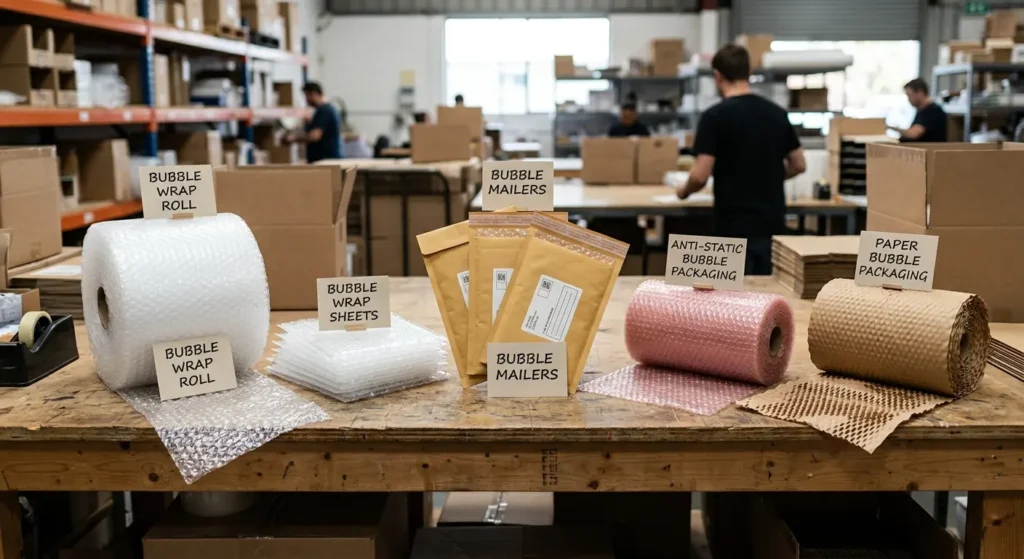
Different bubble packaging materials are available for retail, industrial and commercial applications.
1. Bubble Wrap Rolls
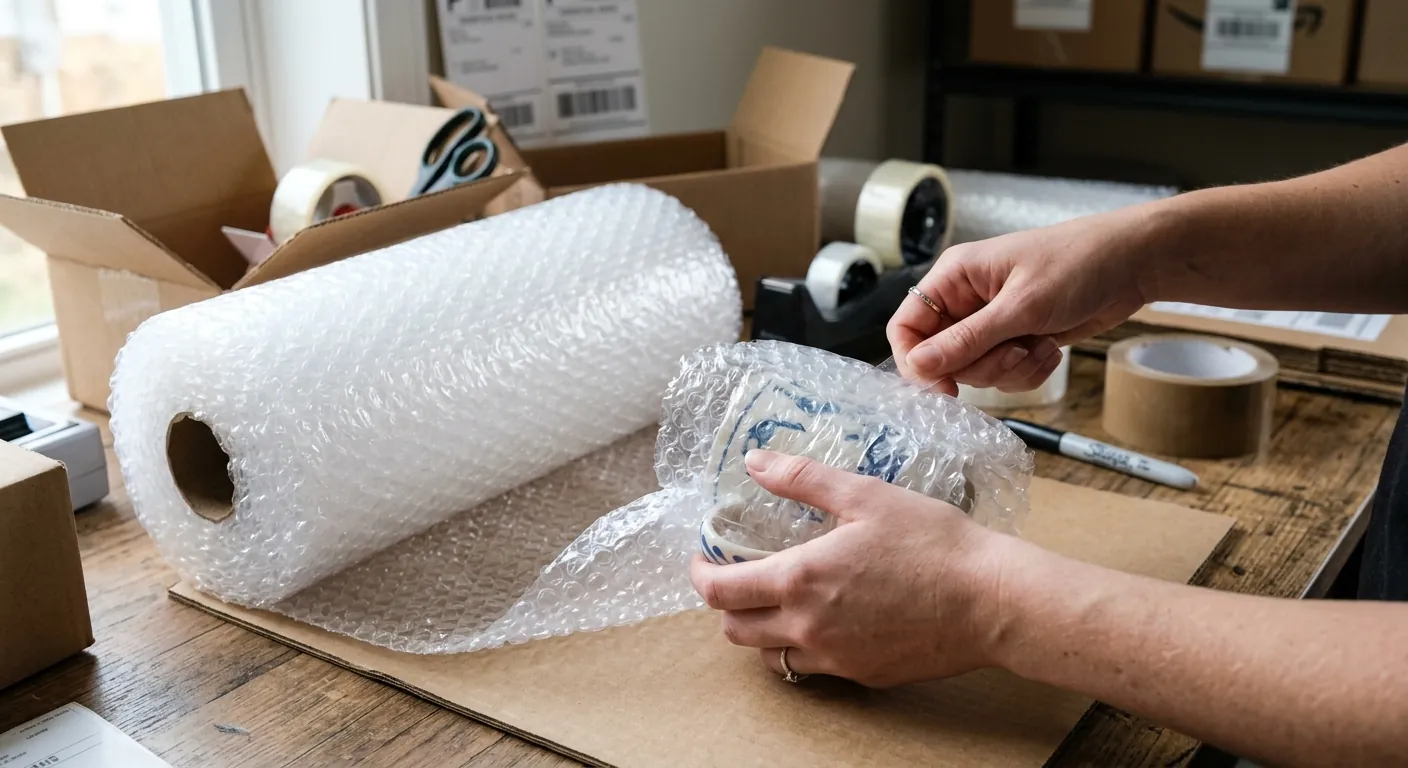
Bubble wrap rolls are continuous sheets of plastic cushioning material supplied in roll form.
They are widely used for wrapping fragile products before placing them inside paperboard shipping boxes.
Bubble wrap rolls can be cut according to product dimensions, making them useful for businesses handling different package sizes.
2. Bubble Wrap Sheets
Bubble wrap sheets are individual pieces of cushioning material cut to specific dimensions.
These sheets are convenient for repetitive packaging operations where products have similar sizes.
They are commonly used for protecting glassware, ceramics, electronics and decorative items.
3. Bubble Mailers
Bubble mailers are protective shipping envelopes containing a cushioning layer.
Some bubble mailers use paper outer surfaces with plastic bubble lining, and others use plastic film constructions.
They are suitable for smaller lightweight products that require protection during parcel delivery.
4. Anti Static Bubble Packaging
Anti static bubble packaging is used for certain electronic components that require protection from electrostatic discharge.
Specialized materials are manufactured to control static electricity under defined conditions.
For sensitive electronics, packaging should meet the appropriate electrostatic discharge protection requirements.
5. Paper Bubble Packaging
Paper bubble packaging uses formed or embossed paper structures to provide cushioning.
These materials may contain raised patterns or shaped sections that help absorb pressure.
Paper based cushioning is often selected by businesses interested in reducing conventional plastic packaging.
Bubble Packaging for Corrugated Cardboard Boxes
Corrugated cardboard boxes and bubble cushioning materials are frequently used together.
The corrugated box provides an outer protective structure, and the bubble material helps protect products from internal movement.
Protection for Fragile Products
Fragile products can break when they contact hard surfaces during shipping.
Bubble cushioning creates a protective layer around the item.
The corrugated carton helps maintain the overall package shape and protects against external handling pressure.
Reducing Empty Space Inside Boxes
Products may shift when there is excessive empty space inside a shipping carton.
Bubble wrap can be used to fill some gaps and restrict movement.
For larger empty spaces, corrugated paperboard inserts or other suitable void filling materials may provide better support.
Supporting Product Organization
Multiple products packed inside one carton should be separated to reduce contact damage.
Bubble cushioning can be combined with corrugated dividers to protect individual items.
This is very useful for glass bottles, cosmetic containers and fragile retail accessories.
Materials Used in Bubble Packaging
Material selection affects cushioning performance, packaging weight and environmental impact.
Polyethylene Bubble Film
Polyethylene is the most common material used for traditional bubble wrap.
It provides flexibility, lightweight cushioning and resistance to moisture exposure.
Bubble film is available in different thicknesses and bubble configurations.
Kraft Paper
Kraft paper is commonly used for paper based protective packaging.
It can be formed into cushioning structures, wrapping sheets and protective pads.
Kraft paper is a popular choice for businesses that prefer paper packaging materials.
Corrugated Paperboard
Corrugated paperboard is used for protective boxes, dividers and cushioning inserts.
The fluted structure provides some impact absorption and helps distribute pressure.
Corrugated materials can be combined with bubble cushioning for additional product protection.
Recycled Paper Materials
Recycled paper fibers may be used in paper cushioning and corrugated packaging products.
Material quality and protective performance depend on manufacturing methods and paper composition.
Small Bubble vs Large Bubble Packaging
Bubble packaging is available in different bubble sizes.
The correct bubble size depends on product weight, surface sensitivity and shipping conditions.
Small Bubble Packaging
Small bubble wrap commonly contains bubbles around 3/16 inch in diameter.
It is suitable for wrapping smaller products and protecting delicate surfaces.
Common applications include:
- Glass ornaments.
- Small electronic accessories.
- Cosmetic containers.
- Jewelry boxes.
- Ceramic products.
- Decorative retail items.
Small bubbles provide flexible surface coverage around irregular product shapes.
Large Bubble Packaging
Large bubble wrap may contain bubbles around 1/2 inch in diameter or larger.
It is often used for products requiring thicker cushioning and greater separation from carton walls.
Common applications include:
- Larger electronic products.
- Household accessories.
- Glass containers.
- Decorative equipment.
- Medium weight fragile items.
Larger bubbles are not automatically better for every product. Heavy items may require specialized cushioning or rigid paperboard supports.
Bubble Packaging for Different Products
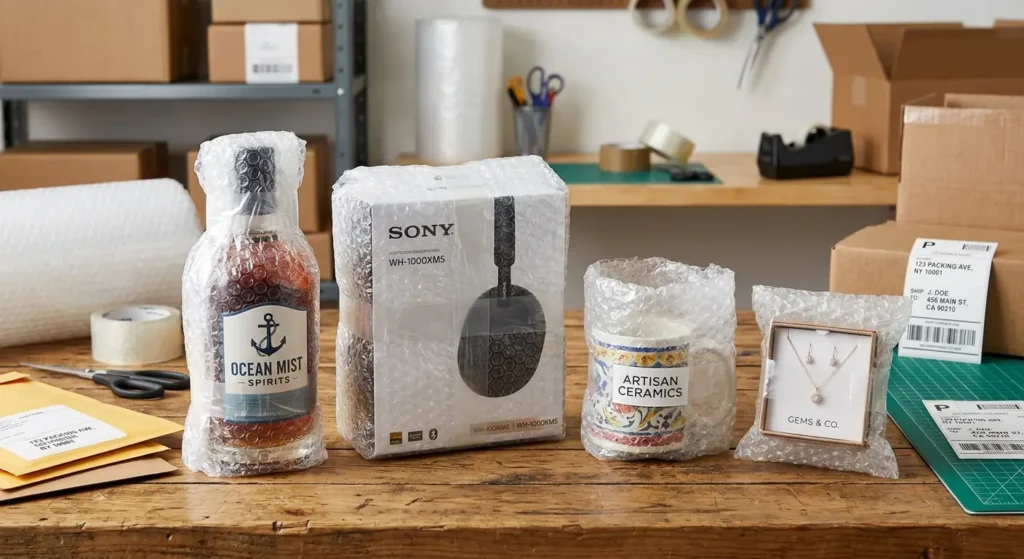
Bubble packaging is used across several industries with different protective requirements.
Electronics Packaging
Electronic products may contain sensitive screens, circuit boards and delicate components.
Bubble cushioning can protect against physical impacts, but ordinary bubble wrap may not provide electrostatic protection.
Suitable anti static or shielding packaging should be used where required.
Glassware and Ceramic Packaging
Glass and ceramic products are vulnerable to cracks and breakage.
Bubble wrap can protect individual items before they are placed inside corrugated boxes.
Paperboard dividers help prevent direct contact between multiple products.
Cosmetic Packaging
Cosmetic bottles, jars and printed cartons often require protection against scratches and impacts.
Bubble cushioning can be used around products before placement inside retail shipping boxes.
Furniture and Home Accessories
Certain furniture parts, decorative items and household accessories can be protected using bubble sheets.
For heavier items, corrugated edge protectors and additional structural packaging may be required.
Gift Packaging
Fragile gifts may be wrapped with bubble cushioning and placed inside decorative paperboard boxes.
This provides protective support without changing the appearance of the outer gift packaging.
Custom Bubble Packaging Solutions
Custom bubble packaging helps businesses match protective materials to specific products.
Packaging manufacturers can supply cushioning materials in different dimensions and formats.
Custom Bubble Wrap Sizes
Bubble wrap rolls are available in different widths, lengths and thicknesses.
Businesses can select roll dimensions according to their packaging operations.
Custom Paperboard Inserts
Corrugated inserts can be manufactured according to product shape and size.
These inserts help keep products in place and reduce unnecessary cushioning material.
Custom Bubble Mailers
Bubble mailers may be manufactured with different envelope sizes, paper surfaces and closure systems.
Printed branding and shipping information can be included depending on the material.
Custom Packaging for Retail Products
Retail businesses can combine printed paperboard boxes with protective bubble cushioning.
The packaging design should provide sufficient protection without creating unnecessary material waste.
How to Pack Products Using Bubble Packaging
Proper packaging technique is important for achieving reliable protection.
Step 1: Select the Correct Box
Choose a corrugated cardboard box that provides enough space for the product and cushioning materials.
The carton should have suitable strength for the product weight.
Step 2: Wrap the Product
Cover the product with bubble cushioning.
Pay attention to corners, edges and delicate surfaces.
Some sensitive finishes may require a separate protective layer to prevent surface marks.
Step 3: Add Bottom Cushioning
Place a suitable cushioning layer at the bottom of the carton.
This helps reduce direct contact between the product and the box.
Step 4: Position the Product
Place the wrapped item inside the carton.
Keep the product away from the outer walls where possible.
Step 5: Fill Remaining Spaces
Use bubble cushioning, corrugated inserts or other suitable materials to reduce movement.
The product should remain stable without excessive pressure.
Step 6: Seal the Box
Close the carton using suitable packaging tape.
Apply shipping labels and handling instructions where required.
Benefits of Bubble Packaging
Bubble packaging offers several practical advantages for commercial shipping.
Impact Protection
Bubble cushioning helps absorb impacts and reduce direct contact between products and surrounding surfaces.
Lightweight Material
Traditional bubble film is lightweight, which can help limit additional shipping weight.
Flexible Wrapping
Bubble sheets can wrap products with different shapes and dimensions.
This makes them useful for packaging irregular items.
Affordable Packaging Option
Bubble wrap is commonly available in bulk rolls.
Businesses can select materials according to their packaging budget and protection requirements.
Better Shipping Reliability
When properly selected and combined with suitable cartons, bubble cushioning can reduce certain types of shipping damage.
This may help lower replacement expenses and customer complaints.
Paper Bubble Packaging vs Plastic Bubble Wrap
Paper based bubble cushioning and plastic bubble wrap have different characteristics.
| Feature | Paper Bubble Packaging | Plastic Bubble Wrap |
| Main material | Formed paper fibers | Polyethylene film |
| Cushioning | Depends on paper structure | Trapped air pockets |
| Flexibility | Varies by construction | Usually very flexible |
| Moisture resistance | Usually limited | Good resistance to moisture |
| Recycling | Depends on coatings and local facilities | Requires suitable film collection |
| Common use | Paper based protective packaging | Fragile product wrapping |
The best material depends on product weight, moisture exposure and packaging performance requirements.
Sustainable Bubble Packaging Options
Businesses are increasingly reviewing protective packaging materials to reduce unnecessary waste.
Recyclable Paper Cushioning
Some paper based cushioning materials can be recycled through established paper collection programs.
Acceptance depends on material composition and local recycling rules.
Reducing Plastic Consumption
Paperboard inserts, molded pulp and structured kraft paper can replace plastic bubble wrap in certain applications.
Packaging testing should confirm that the replacement provides sufficient protection.
Right Size Packaging
Using appropriately sized cartons reduces the amount of empty space requiring cushioning.
This can reduce material consumption and improve shipping efficiency.
Reusing Protective Materials
Bubble wrap may be reused when it remains undamaged and suitable for another shipment.
Reusing packaging can reduce the need for new cushioning materials.
How Much Does Bubble Packaging Cost?
Bubble packaging prices depend on material type, bubble size, film thickness and order quantity.
Plastic bubble wrap rolls are commonly priced according to width, length and material specifications.
Paper based cushioning may have different production and shipping costs.
Factors Affecting Packaging Prices
- Bubble diameter and cushioning thickness.
- Roll width and total material length.
- Plastic or paper material selection.
- Custom cutting and packaging format.
- Printed packaging requirements.
- Bulk order quantity.
- Shipping and storage expenses.
Businesses should compare the cost per protected product rather than the roll price alone.
A very cheap cushioning material may create additional expenses when it fails to protect fragile items.
How to Choose the Best Bubble Packaging Supplier
Selecting a packaging supplier requires attention to material quality and product requirements.
Check Material Specifications
Ask about bubble size, film thickness and cushioning performance.
For paper based products, review paper grade and structural design.
Request Packaging Samples
Test sample materials with actual products.
Packaging trials can help identify insufficient cushioning or excessive material use.
Review Packaging Testing
Common evaluations include drop testing, vibration testing and compression testing.
Relevant ASTM and ISTA procedures may be used according to the shipping environment.
Compare Customization Options
Check whether the supplier provides custom roll widths, cut sheets, paperboard inserts and protective packaging designs.
Common Bubble Packaging Mistakes
Some businesses use bubble cushioning without considering product weight or shipping conditions.
Common mistakes include:
- Using insufficient cushioning around fragile corners.
- Selecting weak corrugated boxes.
- Leaving excessive empty space inside cartons.
- Using ordinary bubble wrap for sensitive electronic components.
- Applying excessive pressure to delicate products.
- Ignoring packaging performance testing.
- Using damaged bubble cushioning materials.
These mistake can increase product damage and shipping expenses.
Final Thoughts on Bubble Packaging
Bubble packaging remains a practical protective material for shipping fragile and delicate products. It helps reduce impact damage and supports safer product handling when used with suitable outer packaging.
Corrugated cardboard boxes, paperboard inserts and bubble cushioning materials can work together to provide structural support and internal protection.
Businesses can choose between traditional plastic bubble wrap, paper based cushioning and custom protective packaging according to their products and shipping requirements.
For retailers, manufacturers and shipping businesses, selecting the right bubble packaging can help reduce product damage, control packaging costs and improve customer satisfaction.
A properly designed packaging system should balance cushioning performance, material efficiency and reliable shipping protection.
Frequently Asked Questions About Bubble Packaging
What is bubble packaging used for?
Bubble packaging is used to protect fragile products from impacts, scratches and vibration during storage and shipping.
Is bubble packaging suitable for cardboard boxes?
Yes. Bubble cushioning is commonly used inside corrugated cardboard boxes to provide additional protection for fragile products.
What is the difference between small and large bubble wrap?
Small bubbles provide flexible cushioning for smaller products. Large bubbles provide thicker separation and may suit larger items.
Is paper bubble packaging recyclable?
Many paper based cushioning materials can be recycled when they contain compatible materials and are accepted by local recycling facilities.
Can bubble packaging protect electronics?
Bubble cushioning can protect electronics from physical impacts. Sensitive electronic components may require specialized electrostatic discharge protective packaging.
Is bubble wrap waterproof?
Polyethylene bubble film resists water penetration through the film itself, but wrapped products are not necessarily waterproof.
Can bubble packaging be customized?
Yes. Bubble cushioning can be supplied in different roll widths, sheet dimensions and protective formats.
What is the best alternative to plastic bubble wrap?
Corrugated paperboard inserts, molded pulp, honeycomb paper and structured kraft paper are common alternatives for certain packaging applications.